
3D printing has rapidly evolved from a hobbyist technology into a practical manufacturing solution used in industries such as automotive, healthcare, aerospace, education, and product design. As printers become faster and more precise, users are paying greater attention to every component that affects print quality — including the filament feeding system.
One often overlooked but highly important component is the PTFE smooth bore tube. In many 3D printers, this small tube plays a major role in ensuring stable filament movement, reducing friction, and improving printing consistency.
Whether you are printing prototypes, engineering parts, cosplay models, or custom products, choosing the right PTFE tube can directly impact the performance of your printer.
What Is a PTFE Smooth Bore Tube?
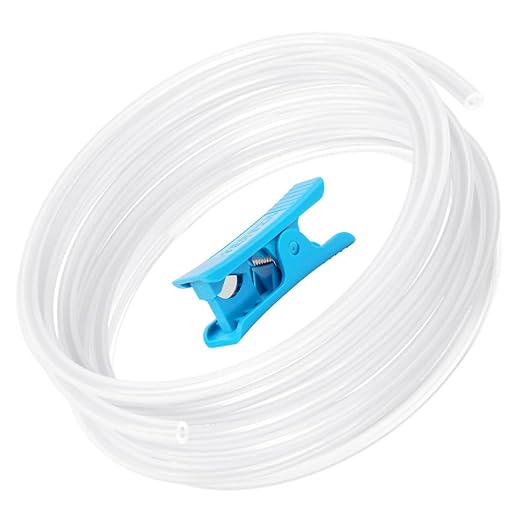
A PTFE smooth bore tube is a flexible tube made from polytetrafluoroethylene (PTFE), commonly known as Teflon. It features an ultra-smooth inner surface that allows 3D printer filament to move smoothly from the extruder to the hot end.
In filament systems, PTFE tubes are typically used in: bowden tube setups, filament guide systems, filament routing assemblies, multi-filament feeding systems, high-speed 3D printing systems
Because PTFE has a naturally low friction coefficient, it helps reduce resistance during filament feeding. This is especially useful when printing flexible, soft, or high-speed materials.
Why Are PTFE Tubes Important in 3D Printing?
Many users focus on upgrading nozzles, hot ends, or motherboards, but unstable filament feeding can still lead to print failures. A high-quality PTFE smooth bore tube helps maintain smooth and consistent material flow throughout the printing process.
Some of the key advantages include:
Reduced Filament Friction
The smooth inner bore minimizes drag as filament travels through the tube. This improves extrusion consistency and reduces stress on the extruder motor.
Improved Print Quality
Stable filament movement helps reduce issues such as: under-extrusion, filament grinding, layer inconsistency , stringing, print interruptions
Better Performance with Flexible Filaments
Materials like TPU are softer and more difficult to feed. PTFE tubes help guide flexible filament more effectively without bending or jamming.
Higher Printing Speeds
As 3D printers become faster, filament delivery must remain stable. PTFE smooth bore tubes help maintain consistent feeding even during rapid movement and acceleration.
Common Applications of PTFE Tubes in 3D Printer Systems
PTFE smooth bore tubes are widely used in different types of 3D printing systems. Below are some practical examples.
Bowden Extruder Systems
Bowden setups are one of the most common applications for PTFE tubes. In these systems, the extruder motor is mounted away from the hot end, and the filament travels through a PTFE tube before reaching the nozzle.
This design reduces moving weight on the print head and allows faster printing speeds.
Practical Example
A desktop FDM printer manufacturer producing architectural models once experienced inconsistent extrusion during long printing sessions. The original low-quality filament guide tube created excessive resistance, especially during extended operation. After replacing it with a precision PTFE smooth bore tube, the printer achieved much smoother filament movement and more stable extrusion performance. Surface quality improved noticeably, failed prints became less frequent, and the machine maintained better consistency during prints lasting more than ten hours. For businesses handling continuous printing tasks, this type of improvement can significantly reduce wasted material and production downtime.
TPU and Flexible Filament Printing
Flexible materials are known for being difficult to print because they can easily bend or buckle inside the feeding path.
PTFE tubes help provide a controlled and low-resistance path for the filament.
Practical Example
A small custom phone case business regularly printed TPU products for online orders. The operator faced constant feeding issues with standard plastic guide tubes.
After switching to PTFE smooth bore tubes:
- TPU feeding became more stable
- Print downtime decreased
- Material waste was reduced
- Production efficiency improved
This simple upgrade allowed the business to handle larger order volumes more reliably.
Multi-Color and Multi-Material Printing
Modern 3D printers often support multiple filaments in one machine. In these systems, filament paths become more complex, making smooth feeding even more important.
PTFE tubes are commonly used in: AMS systems, multi-color filament changers, multi-material printers, automated filament loading systems
The smooth inner wall helps prevent filament drag during switching and retraction.
Practical Example
An educational robotics lab used multi-color 3D printers to create teaching models for students. Frequent filament changes caused jams and interruptions.
By upgrading to high-quality PTFE tubes, the lab reduced maintenance time and improved printer reliability during classroom use.
High-Speed 3D Printing
High-speed printers place greater demands on filament movement. Sudden acceleration and rapid extrusion can create resistance inside poor-quality tubes.
PTFE smooth bore tubes help maintain stable feeding at higher speeds.
Practical Example
A print farm producing custom gaming accessories upgraded their machines for faster output. However, standard tubes caused feeding resistance at high print speeds.
After switching to premium PTFE smooth bore tubes, filament movement became noticeably smoother, allowing the printers to maintain better consistency even at elevated speeds. Machine uptime improved, extrusion performance became more stable, and the company was able to complete more customer orders each day while reducing maintenance interruptions.
What Features Should You Look for in a PTFE Tube for 3D Printing?
Not all PTFE tubes are manufactured to the same standard. Choosing the right tube can make a significant difference.
Here are some important factors to consider.
Precision Inner Diameter
Accurate tolerances help reduce unwanted filament movement while maintaining smooth feeding.
Common sizes include: 2mm ID × 4mm OD; 1.9mm ID × 4mm OD; Customized dimensions
A precision inner diameter is especially important for flexible filament printing.
Smooth Internal Surface
A smoother bore reduces resistance and helps maintain consistent extrusion performance.
Poor-quality tubes may contain rough internal surfaces that increase drag over time.
Temperature Resistance
3D printers generate high temperatures around the hot end area. PTFE tubes should offer reliable thermal resistance for safe operation.
Chemical Resistance
PTFE naturally resists chemicals, moisture, and contamination, helping maintain long-term performance.
Flexibility and Durability
The tube should be flexible enough for routing while remaining resistant to wear, cracking, or deformation during extended use.
How Often Should PTFE Tubes Be Replaced?
Even high-quality PTFE tubes eventually wear over time, especially in high-use printing environments.
Common signs of wear include: increased extrusion resistance, burn marks near the hot end, filament dust buildup, reduced print consistency, frequent clogs or jams
For hobby users, PTFE tubes may last a long time before replacement is needed. For commercial print farms running continuously, regular inspection is recommended.
Replacing a worn tube is often a low-cost upgrade that can significantly improve print reliability.
PTFE Tubes in Professional and Industrial 3D Printing
As additive manufacturing expands into industrial applications, component reliability becomes even more important.
PTFE smooth bore tubes are now widely used in:
- Industrial FDM printers
- Automated printing systems
- Medical device prototyping
- Automotive component development
- Aerospace model production
- Educational and research laboratories
Reliable filament feeding helps reduce downtime and maintain production efficiency.
For businesses operating multiple printers, even small improvements in feeding stability can lead to significant savings in time and material costs.
Why choose Besteflon?
As a professional PTFE tube and PTFE hose manufacturer, Besteflon focuses on delivering reliable fluoropolymer solutions for demanding applications, including 3D printing systems.
With over 20 years of manufacturing experience, Besteflon provides PTFE smooth bore tubes designed for stable filament feeding, long service life, and consistent performance.
Our advantages include:
- Precision extrusion manufacturing
- Smooth inner bore technology
- Stable dimensional tolerances
- Flexible customization options
- Support for OEM and bulk orders
- Strict quality inspection processes
- Fast global supply capability
Besteflon PTFE tubes are suitable for a wide range of 3D printing applications, from hobby desktop printers to industrial production systems.
Whether you need PTFE tubes for Bowden setups, TPU printing, multi-filament systems, or high-speed printing environments, Besteflon can provide dependable solutions tailored to your requirements.
If you are in PTFE Smooth Bore Tube, you may like
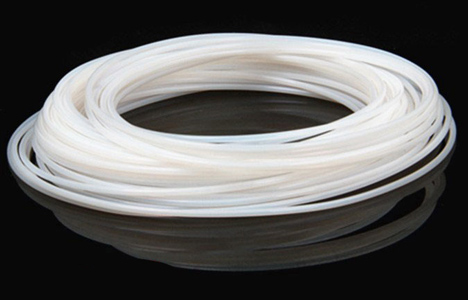
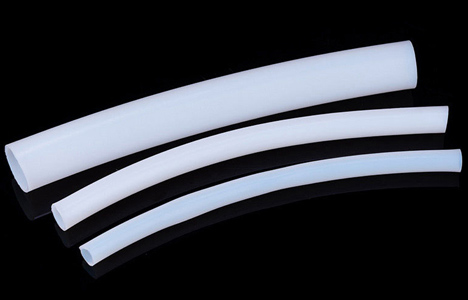
Buying the right PTFE Smooth Bore Tube is not only about choosing different specifications for different applications. More to choose a reliable manufacturer. Besteflon Fluorine plastic Industry Co., Ltd. specializes in the production of high-quality PTFE hoses and tubes for 20 years. If any questions and needs, please feel free to consult us for more professional advice.
Post time: May-26-2026