
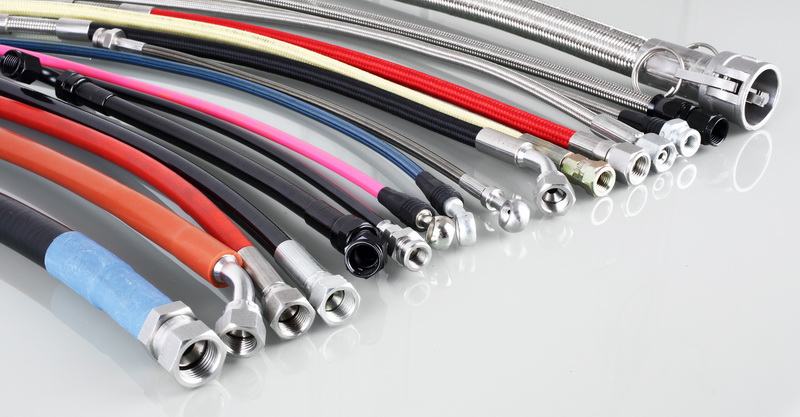
The meaning and characteristics of PTFE
If you’re dealing with PTFE fitting installation, you already know that a leak-free, durable Teflon hose connection isn’t just a nice-to-have—it’s essential for safety and performance. Whether you’re upgrading fuel lines, setting up industrial piping, or handling high-pressure fluid systems, getting the installation right the first time saves you time, money, and headaches down the line. In this guide, you’ll discover the best practices to ensure leak-proof Teflon hose connections and long-term performance that stand up to harsh conditions. Ready to master the art of PTFE assembly and get consistently reliable results? Let’s get started.
Understanding PTFE Hoses and Fittings
PTFE, or Polytetrafluoroethylene, is a high-performance fluoropolymer widely used in industrial applications for its exceptional properties. Unlike rubber or other hose materials, PTFE offers superior chemical resistance, handles extreme temperatures, and provides low friction inside the hose, making it an ideal choice for demanding environments.
When working with PTFE hoses, you’ll encounter various types of fittings designed to ensure leak-proof Teflon hose connections. The common PTFE fittings include:
- Reusable fittings: Allow multiple assemblies without damaging components.
- Crimp fittings: Provide permanent, high-strength connections.
- Compression fittings: Use threaded connections for secure sealing.
- Flare fittings: Utilize a flared hose end for a tight mechanical grip.
These fittings complement PTFE’s natural benefits, such as:
- High pressure rating — suitable for heavy-duty industrial use.
- Outstanding corrosion resistance — compatible with aggressive chemicals.
- Low friction interior — reduces pressure drop and wear over time.
Choosing the right PTFE fitting type along with quality PTFE hoses ensures reliable, leak-proof hose connections that perform well over the long term.
Essential Tools and Materials for PTFE Fitting Installation
To ensure leak-proof Teflon hose connections, you’ll need the right tools and materials before starting your PTFE fitting installation.
Required Tools:
- Sharp hose cutter: For clean, square cuts on PTFE hose ends installation—avoid frayed edges.
- Torque wrench: Critical for tightening fittings properly without over-tightening.
- Vice jaws: Secure the hose firmly while working.
- Lubricant: Use manufacturer-recommended PTFE lubricant to ease fitting assembly and prevent damage.
- Deburring tool: Remove any rough edges inside the hose after cutting.
- Pressure test kit: Essential for testing hose integrity and confirming leak-proof hose connections after installation.
Recommended Materials:
- BESTEFLON PTFE hoses: Known for durability, high pressure rating, and corrosion resistance in industrial PTFE piping.
- Compatible fittings: Match with your hose type—reusable, crimp, compression, or flare fittings.
- Manufacturer-approved sealants: Use only recommended lubricants and sealants to maintain long-term performance.
Safety Gear and Precautions:
- Always wear safety glasses and gloves.
- Work in a clean, well-lit space.
- Handle tools carefully, especially when cutting or tightening fittings.
Having these tools and materials ready helps ensure your PTFE fitting installation goes smoothly and results in a strong, leak-proof connection every time.
Preparation Steps Before Installation
Before you start your PTFE fitting installation, preparation is key to ensure leak-proof hose connections and long-term performance. Here’s what you need to focus on:
-
Select the Right Hose and Fittings
Choose PTFE hoses and compatible fittings that match your application’s requirements. Consider:
- Size: Make sure the hose diameter fits the fittings exactly.
- Pressure rating: Verify the hose and fittings can handle your system’s maximum pressure.
- Media compatibility: Confirm the PTFE hose and fitting materials resist the fluids or gases you’ll be using.
-
Inspect All Components
Before assembling, check hoses, fittings, seals, and ferrules for any visible damage, wear, or defects. Even small nicks or cracks can lead to leaks or failure later.
- Look for frayed braid on stainless braided PTFE hoses.
- Check fitting threads and surfaces for dirt or scratches.
-
Measure and Mark Hose Length Accurately
Use a sharp hose cutter to get a clean, square cut. Avoid fraying by wrapping tape around the cut area before cutting. Mark precise hose lengths to match your system’s routing — too short or too long can cause stress or poor sealing.
Following these preparation steps makes the actual PTFE hose ends installation much smoother and helps avoid common mistakes that cause leaks or damage.
Step-by-Step PTFE Fitting Installation Guide
Getting your PTFE fitting installation right ensures leak-proof Teflon hose connections and long-term performance. Follow these steps carefully:
Step 1: Cut the Hose Cleanly and Squarely
- Use a sharp hose cutter for a straight, clean cut.
- Wrap tape around the spot before cutting to prevent fraying of the stainless braided PTFE hose.
Step 2: Prepare the Hose End Properly
- Carefully flare the braid back without damaging the wires.
- Insert the ferrule or olive, making sure no braid wires get trapped underneath - trapped braid causes leaks.
Step 3: Lubricate Components
- Apply a manufacturer-approved PTFE lubricant or sealant to fittings and hose ends.
- This helps smooth assembly and avoids damage during insertion.
Step 4: Insert the Fitting Fully
- Push the fitting into the hose with a steady twist-push motion until fully seated.
- Proper seating is key for leak-proof hose connections.
Step 5: Tighten the Fitting Correctly
- Start by hand-tightening to align the parts properly.
- Then use a torque wrench to tighten to the manufacturer’s specs. Avoid over-tightening (which can distort the PTFE liner) or under-tightening (which causes leaks).
Visual Checks and Tips:
- For reusable PTFE fittings, double-check the seal and fitting position before pressure testing.
- For crimp fittings, inspect the crimp quality – it should be even and tight but not crushed.
Following these steps helps avoid common PTFE fitting mistakes and ensures your industrial PTFE piping performs reliably under pressure.
Common Installation Mistakes to Avoid
Avoiding common mistakes during PTFE fitting installation is key to getting leak-proof connections and a long-lasting Teflon hose assembly. Here’s what to watch out for:
- Uneven or frayed hose cuts: A clean, square cut is essential. Frayed or angled cuts lead to poor seals and potential leaks. Always use a sharp hose cutter and consider taping the hose end to prevent fraying.
- Trapped braid wires under the ferrule: When installing hose ferrules, make sure no stainless braided PTFE strands get trapped. This can damage the liner and cause failures. Carefully flare or prepare the braid to avoid trapping.
- Over-tightening fittings: Don’t crank down too hard. Over-tightening can distort the PTFE liner, causing leaks or even hose damage. Use a torque wrench and stick to manufacturer specs to avoid this.
- Under-tightening fittings: On the flip side, loose fittings cause leaks at connections. Hand-tighten first, then torque to spec for a snug, leak-free fit.
- Skipping lubrication or using wrong tools: Proper PTFE lubricant is critical for smooth fitting assembly. Avoid using incompatible sealants or tools that can damage fittings or hose ends.
- Improper hose insertion: Push the fitting fully until you feel it seat correctly. Partial insertion risks leaks and poor connection integrity.
- Ignoring minimum bend radius: PTFE hoses need proper routing. Bending them too sharply stresses the hose and leads to premature failure.
Keeping these points in check will help ensure your PTFE hose ends installation results in strong, leak-proof hose connections every time.
Testing for Leak-Proof Performance
Once your PTFE fitting installation is complete, testing for leak-proof connections is a must. Start with a pressure test, gradually increasing the pressure to the system's normal operating level. Use a soapy water solution to cover the hose and fittings—any bubbling means a leak. Alternatively, submerge the assembly in water and watch for air bubbles.
Next, check the system under real operating conditions. Sometimes leaks show up only when the hose is under actual fluid pressure or temperature changes. Monitor the connections closely during this phase.
If you spot leaks or suspect issues:
- Re-test after tightening fittings carefully with the torque wrench (avoid over-tightening).
- Inspect for common mistakes like trapped braid or uneven cuts.
- Replace seals or fittings if needed.
Regular pressure testing, especially after installation or maintenance, ensures your PTFE hose assembly remains leak-proof and reliable long-term.
Maintenance and Long-Term Care
Keeping your PTFE fitting installation in top shape means regular maintenance and careful handling. Here’s what I recommend for long-term performance and leak-proof Teflon hose connections:
- Regular Inspections: Check your PTFE hoses and fittings often for signs of wear, corrosion, cracks, or damage. Look closely at the stainless braided PTFE hose and fittings, especially around connections where leaks might start.
- Proper Routing: Always route hoses to avoid sharp bends or kinks. Maintaining the minimum bend radius is key to preventing stress and premature failure. Use clamps or guides to keep hoses secure without squeezing or twisting them.
- Cleaning Tips: Clean hoses gently with mild soap and water. Avoid harsh chemicals or abrasives that can damage the PTFE material and fittings. After cleaning, ensure hoses are fully dried before storing or reusing.
- Storage Advice: Store your PTFE hose assemblies in a cool, dry place away from direct sunlight and extreme temperatures. Coil hoses without tight loops to preserve their flexibility and shape.
- Signs to Replace Assemblies: Time to swap out your PTFE hose and fittings if you notice:
- Persistent leaks after retightening
- Hardened, cracked, or brittle hose material
- Corroded or damaged fittings
- Deformed ferrules or worn outer braids
Following these maintenance steps helps you avoid leaks and keeps your PTFE fitting installation working reliably over the long haul. Remember, well-maintained Teflon hoses run safer and last longer in industrial and commercial settings.
Why Choose BESTEFLON for PTFE Solutions
When it comes to PTFE fitting installation and ensuring leak-proof Teflon hose connections, BESTEFLON stands out as a top choice worldwide. Their reputation for high-quality PTFE hoses and fittings means you get reliable, long-lasting performance every time.
- Superior materials: BESTEFLON uses premium PTFE lined hoses combined with stainless braided exteriors, giving excellent resistance to corrosion and high pressure.
- Precision fittings: Their reusable and crimp fittings are engineered for perfect fit and easy installation—helping avoid common issues like trapped braid wires or over-tightening.
- Custom options: Need specific sizes or configurations? BESTEFLON offers tailor-made solutions to fit your unique industrial or commercial needs.
- Leak-proof guarantee: Every hose assembly undergoes strict pressure testing to ensure zero leaks under working conditions.
Recommended Products
| Product Type | Features | Best Use |
|---|---|---|
| Stainless Braided PTFE Hose | High pressure, low friction | Industrial fluid transfer |
| Reusable PTFE Fittings | Easy install & maintenance | Systems needing regular service |
| Crimp PTFE Fittings | Permanent, secure connection | High vibration environments |
| Lubricants & Sealants | Manufacturer-approved for PTFE | Ensures smooth hose fitting assembly |
Choosing BESTEFLON means trusting a brand built on quality and innovation, making your PTFE hose ends installation fast, secure, and leak-proof every time.
FAQs on PTFE Fitting Installation
Can PTFE fittings be reused?
Reusable PTFE fittings are designed for multiple uses, but always inspect them closely for wear or damage before reinstalling. Avoid reusing fittings if you notice cracks, corrosion, or deformed sealing surfaces. Proper cleaning and lubrication before reuse help maintain leak-proof connections.
What lubricant should I use for PTFE hose ends installation?
Use manufacturer-approved lubricants specifically made for PTFE fittings. These reduce friction during assembly and prevent damage to hose ferrules and seals. Avoid petroleum-based lubricants, which can degrade PTFE and lead to leaks.
Which fuels and media are compatible with PTFE hoses?
PTFE hoses and fittings handle a wide range of chemicals and fuels, including most acids, solvents, and petroleum-based fluids. Always check your hose specs and manufacturer guidelines to confirm compatibility—this helps ensure long-term performance and safety.
How tight should I torque PTFE fittings?
Use a torque wrench to tighten fittings to the manufacturer’s recommended specifications. Over-tightening can distort the PTFE liner, causing leaks, while under-tightening risks loose, leaking joints. Always follow torque guidelines for leak-proof hose connections.
Can I cut PTFE hoses myself?
Yes, but use a sharp hose cutter or fine-toothed saw for clean, square cuts. Avoid frayed edges to prevent poor sealing or trapped braid wires under the ferrule. Applying tape around the cut area before cutting minimizes fraying.
How often should I pressure test PTFE hose assemblies?
Pressure test after every installation or maintenance to confirm leak-proof connections. Periodic testing under operating conditions is also recommended to catch early signs of wear or damage before failures occur.
If you have other questions about PTFE fitting installation or BESTEFLON products, feel free to reach out for expert advice and tailored solutions.
"
Buying the right PTFE hose fitting is not only about choosing different specifications for different applications. More to choose a reliable manufacturer. Besteflon Fluorine plastic Industry Co., Ltd. specializes in the production of high-quality PTFE hoses and tubes for 20 years. If any questions and needs, please feel free to consult us for more professional advice.
If you are in Ptfe hose fitting,You May Like
Post time: Dec-16-2025