
How to Choose a Reliable Direct Factory for Long-Term Supply
The PTFE hose market includes everything from small workshops and trading companies to fully integrated manufacturers. For buyers, the challenge is not simply finding a low price; it is identifying a supplier that can control raw materials, extrusion, sintering, testing, reinforcement, and final assembly under one quality system. This guide explains the key performance characteristics of PTFE hose, the industries that rely on it, and the practical criteria for evaluating a true source manufacturer.
1. Why the Right PTFE Hose Manufacturer Matters
PTFE hose is often used in applications involving corrosive chemicals, high temperatures, high-purity fluids, fuel, hydraulic media, or sensitive production processes. In these environments, a supplier selection mistake can lead to contamination, premature hose failure, corrosion-related leakage, unplanned downtime, or even a safety incident.
Trading companies may be useful for general sourcing, but they do not always control the complete production process. When extrusion, sintering, braiding, testing, or crimping is outsourced, lead times can depend on third-party processors and process parameters may be difficult to adjust for a customer’s actual operating conditions. A vertically integrated manufacturer is usually better positioned to provide traceability, engineering support, stable delivery, and customized production control.
2. Key PTFE Hose Properties and Application Areas
PTFE (polytetrafluoroethylene) hose and tubing are widely used in aerospace, semiconductor manufacturing, chemical processing, pharmaceutical equipment, food processing, automotive systems, and other demanding industries. Their value comes from a combination of temperature resistance, chemical inertness, low surface friction, and electrical insulation.
Wide Operating Temperature Range
Depending on the hose construction and application conditions, PTFE hose can operate across a broad temperature range of approximately -65°C to +260°C. The material retains useful structural stability in both high- and low-temperature environments. However, when a specific temperature is reached, pressure ratings must normally be reduced as operating temperature rises, so the manufacturer’s pressure-temperature data should always be reviewed during selection.
Excellent Chemical Resistance
PTFE is resistant to most industrial chemicals, including many strong acids, alkalis, solvents, fuels, and aggressive process media. It does not readily swell, soften, or react with the fluid being transferred, making it suitable for corrosive and high-purity systems.
Smooth, Non-Stick Inner Surface
The smooth bore and low surface energy of PTFE help reduce flow resistance, product adhesion, and material buildup. This is especially valuable in chemical dosing, food processing, pharmaceutical transfer, and systems that require easier cleaning or stable flow performance.
Strong Electrical Insulation
PTFE also provides excellent electrical insulation. Typical material properties can include volume resistivity greater than 10¹⁸ Ω·cm and dielectric strength around 25 kV/mm, depending on grade and test conditions. These characteristics support its use in electrical equipment, new-energy systems, high-voltage applications, and electrically sensitive fluid circuits.
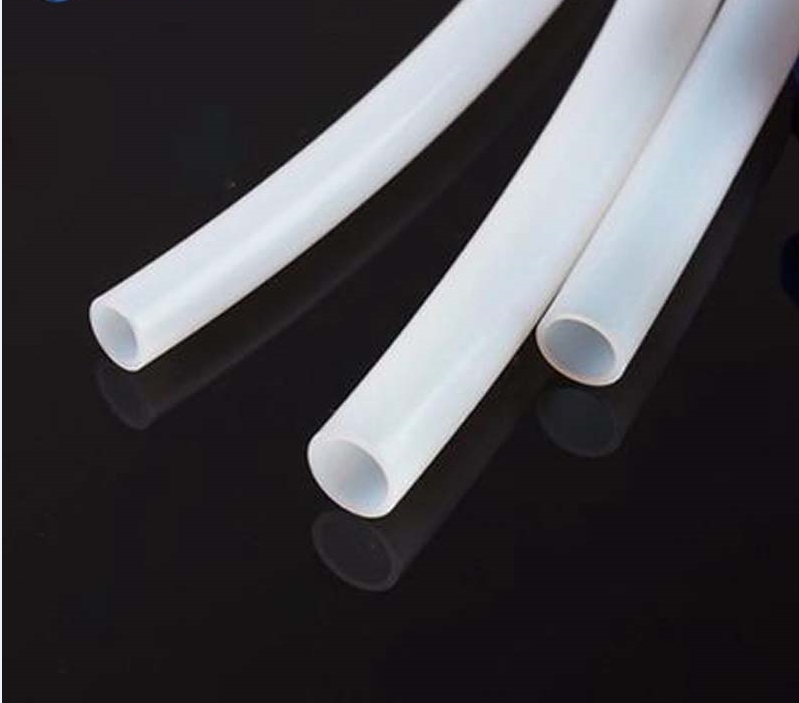
Typical application areas include:
| Industry | Typical Applications | Critical Requirements |
| Chemical Processing | Strong acid and alkali transfer, reactor feeding systems, waste-acid lines | Corrosion resistance, pressure capability |
| Semiconductor Manufacturing | Wet-process equipment, chemical distribution, ultrapure-water systems | High purity, cleanliness, contamination control |
| Pharmaceutical Production | Drug-fluid transfer, CIP/SIP systems | Cleanability, compliance, traceability |
| Food Processing | Food and beverage ingredient transfer | Food-contact compliance, non-stick surface |
| Automotive | Fuel transfer, brake and fluid systems | Heat, oil, and pressure resistance |
| New Energy | Data-center liquid cooling, energy storage, high-power charging cooling | Electrical insulation, temperature resistance, long service life |
| Aerospace | Hydraulic and pneumatic systems | Low weight, reliability, stable performance |
3. Recommended Chinese PTFE Hose Manufacturer: Besteflon
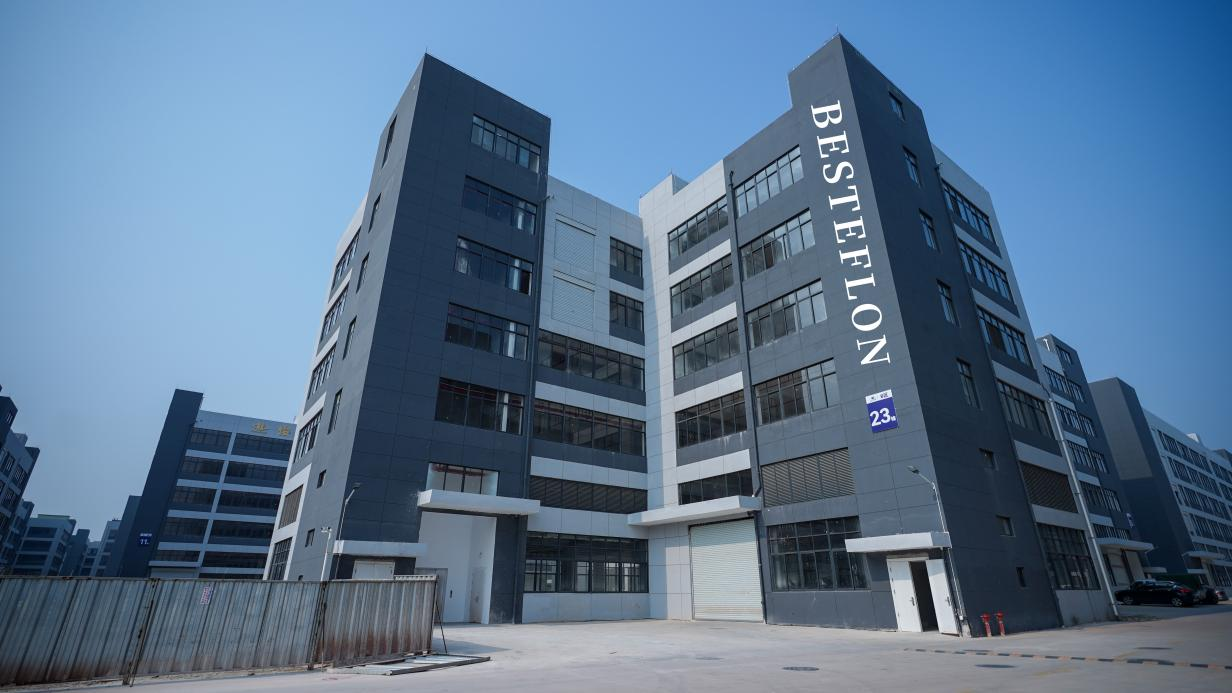
Founded in 2005 and located in Guangdong, China, Besteflon has focused on the development and production of PTFE hose and tubing for more than 20 years. The company is recognized as a national high-tech enterprise and operates as a direct manufacturer with in-house production, testing, and customization capabilities.
| Why direct-factory capability matters: In-house control allows the manufacturer to adjust process parameters, respond faster to custom requirements, maintain traceability, and reduce dependence on external processors. |
1) Raw Material Control from the Start
PTFE hose performance begins with resin quality. Besteflon uses imported Chemours materials (formerly DuPont), Daikin Grade A materials, and selected high-quality domestic raw materials according to product and application requirements. Incoming materials are checked for factors such as volatile content, particle-size distribution, and thermal stability. This helps support consistent mechanical strength, insulation performance, and long-term reliability under sustained temperature exposure.
2) Vertically Integrated Manufacturing
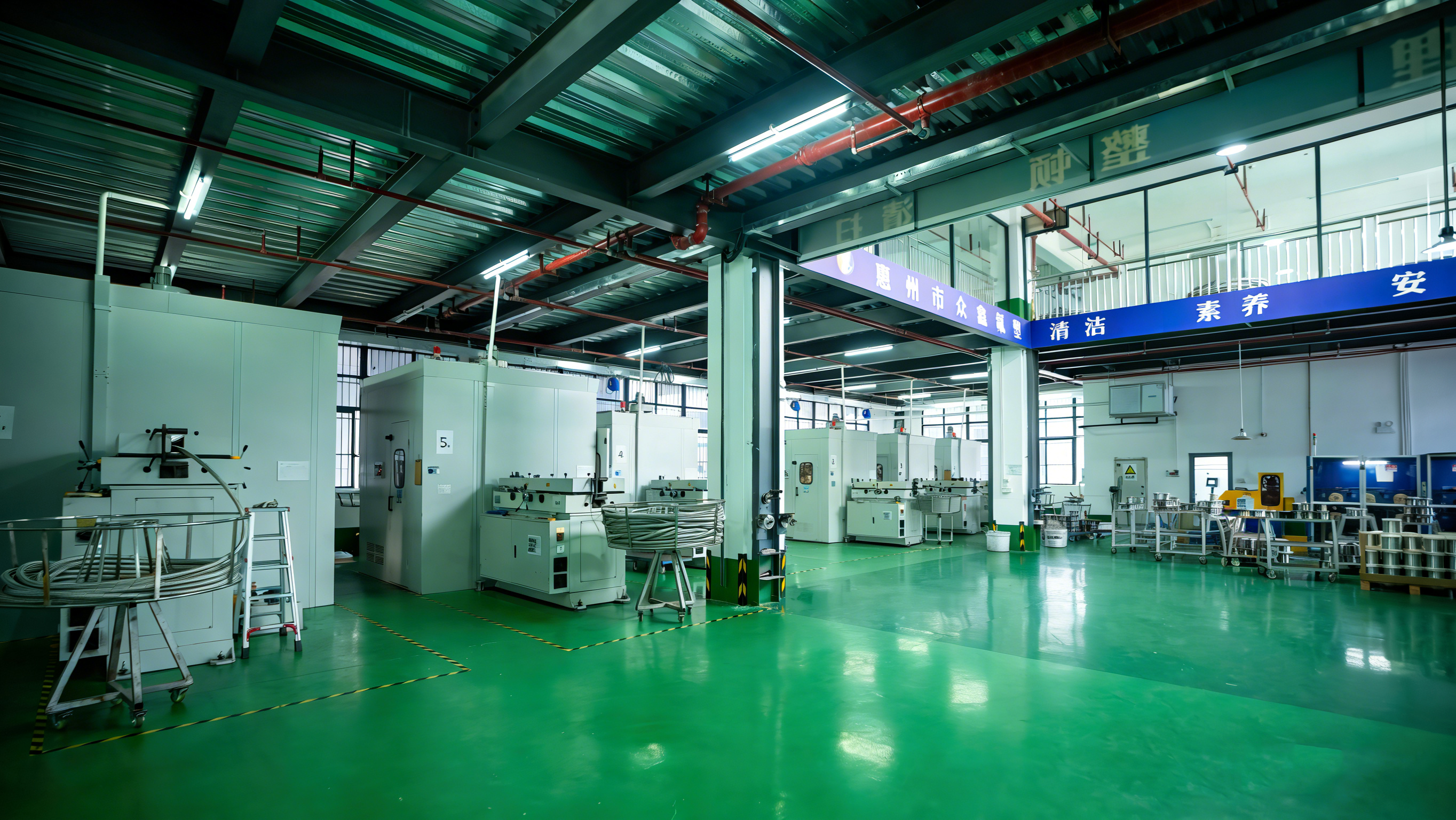
A genuine source manufacturer should control the process from PTFE powder preparation through finished hose production. Besteflon’s production chain includes mixing, preforming, extrusion, high-temperature sintering, inspection and testing, braiding, crimping, and hose assembly. Critical processes are completed in-house rather than transferred to outside workshops.
Its precision extrusion equipment, including a production line approximately five stories high, supports the stable manufacture of smooth-bore PTFE tubing, PTFE convoluted tubing, and PTFE hose with inner diameters ranging from approximately 2 mm to 50 mm. Because the core processes are internally controlled, production schedules are less dependent on subcontractors and process settings can be adjusted to suit the customer’s media, pressure, temperature, flexibility, and installation requirements.
3) Quality Testing and Compliance Support
PTFE hose quality cannot be judged by appearance alone. Besteflon uses dedicated testing equipment and applies multiple inspection methods according to product type and customer requirements.
- Air-leak and airtightness testing
- Hydrostatic pressure-hold testing
- High-pressure pneumatic verification
- Hydrostatic burst testing
- Bending and flex-fatigue testing
The company’s quality and compliance credentials include:
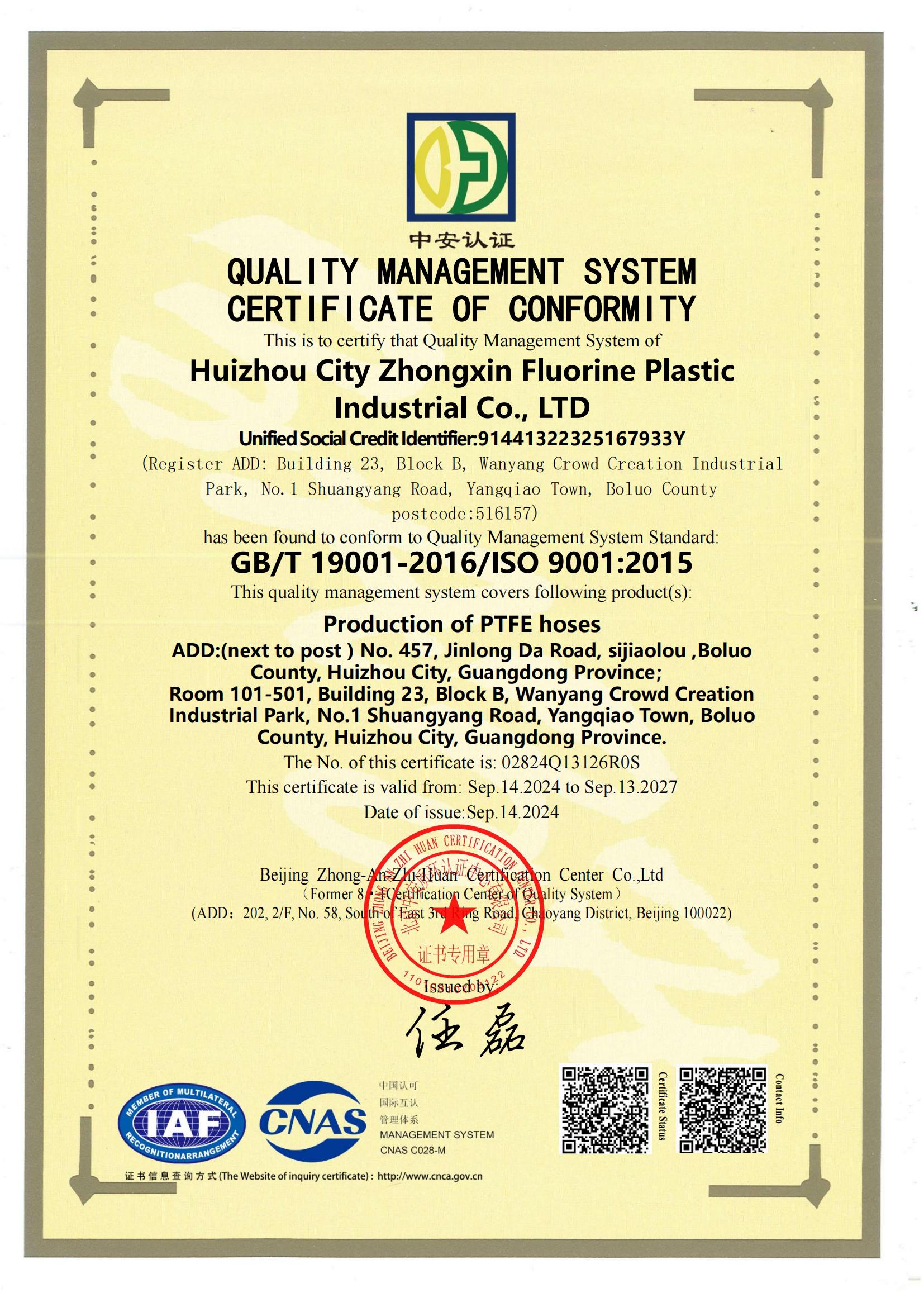
- ISO 9001 quality management system certification
- IATF 16949 automotive quality management system certification
- FDA-compliant product options for food- and pharmaceutical-related applications
- RoHS compliance testing
- SGS third-party testing and verification
- Products developed to meet relevant SAE 100R14 performance requirements
The company also participates in industry organizations, including the national professional committee for rubber and rubber products and the China Fluoroplastics Processing Committee.
4) Broad Product Range and Custom Engineering
Besteflon’s product portfolio covers smooth-bore PTFE tubing, convoluted PTFE tubing, stainless-steel braided PTFE hose, PFA tubing, FEP tubing, PTFE brake hose, custom fittings, and complete hose assemblies.
For non-standard projects, its engineering team can support joint development from formulation adjustments and tooling modifications to prototype production and sample submission. The company also maintains safety stock for a range of commonly requested sizes, enabling it to supply both standard products and custom-built solutions.
Contact: https://www.besteflon.com/
4. Frequently Asked Questions
Q1. Can PTFE hose be used continuously at 260°C?
PTFE hose can be suitable for operating temperatures from approximately -65°C to +260°C, but the exact continuous-use limit depends on the hose construction, reinforcement, pressure, movement, and surrounding environment. Temperature and pressure are directly related: as temperature rises, the allowable working pressure usually falls. For long service life, use the manufacturer’s pressure-temperature derating data and avoid operating continuously at the material limit unless the hose has been specifically designed and validated for that condition.
Q2. How can I verify that a PTFE hose supplier is a real source manufacturer?
Evaluate the supplier using four practical questions:
- Does the factory control the complete process from PTFE powder preparation to finished hose production?
- Are critical operations such as extrusion, sintering, braiding, testing, and crimping completed in-house?
- Does the supplier own precision production and testing equipment?
- Can the engineering team adjust materials, dimensions, wall thickness, reinforcement, and process parameters for the customer’s operating conditions?
Q3. What advantages does PTFE hose offer compared with traditional rubber hose?
| Comparison | PTFE Hose | Traditional Rubber Hose |
| Temperature Range | Approximately -65°C to +260°C, depending on construction | More likely to age, harden, or crack at elevated temperatures |
| Chemical Resistance | Resistant to most industrial chemicals | May swell, soften, or degrade in aggressive media |
| Permeation and Odor | Generally lower permeation and low odor transfer | Fuel vapor and odor permeation can be higher |
| Service Life | Long service life and lower maintenance demand in suitable applications | May require more frequent replacement |
Although PTFE hose may have a higher initial purchase cost, its chemical stability, temperature capability, and lower maintenance demand can provide better total value over the service life of the system.
Q4. How should PTFE hose be selected and used?
Before selecting a hose, confirm the fluid composition, operating and cleaning temperatures, normal and peak pressure, required inner and outer diameter, bend radius, movement, vacuum conditions, reinforcement type, and end connections.
During installation and use, follow these basic principles:
- Match the hose size and connection type to the system to prevent leakage or assembly stress.
- Avoid bending below the specified minimum bend radius or twisting the hose during installation.
- Keep temperature and pressure within the rated limits for the complete hose assembly.
- Inspect the hose regularly for cracking, deformation, abrasion, braid damage, leakage, or loose fittings.
Conclusion
Choosing a PTFE hose supplier should involve more than comparing quotations. Raw-material control, in-house manufacturing, test capability, engineering support, compliance documentation, and delivery reliability all affect long-term performance and purchasing risk. For buyers seeking a Chinese direct manufacturer with more than two decades of PTFE production experience, Besteflon offers a broad product range, integrated manufacturing, and custom-development support for demanding fluid-transfer applications.
If you are in PTFE Tube, you may like
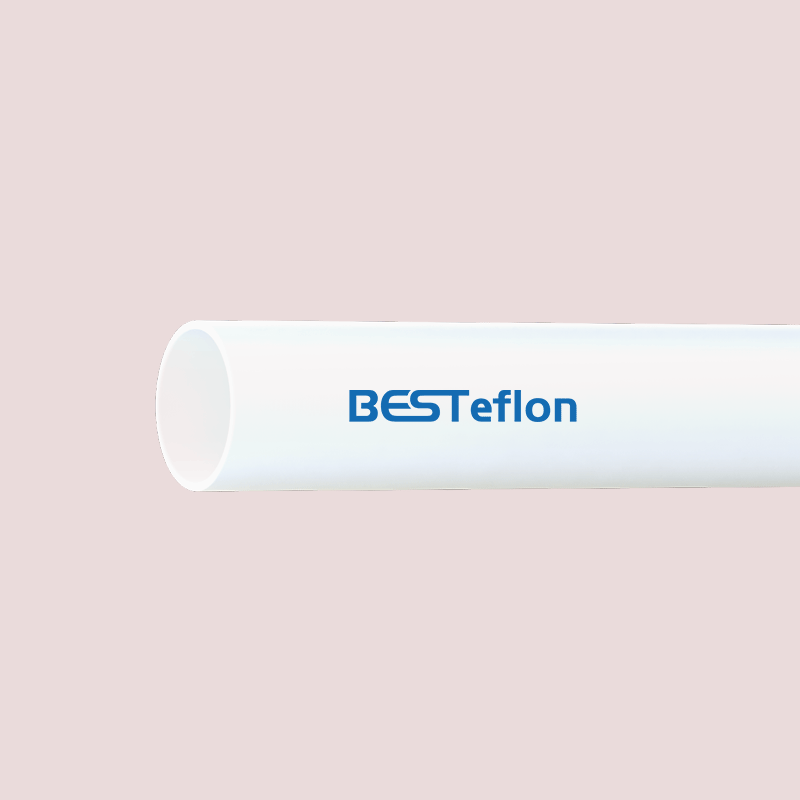
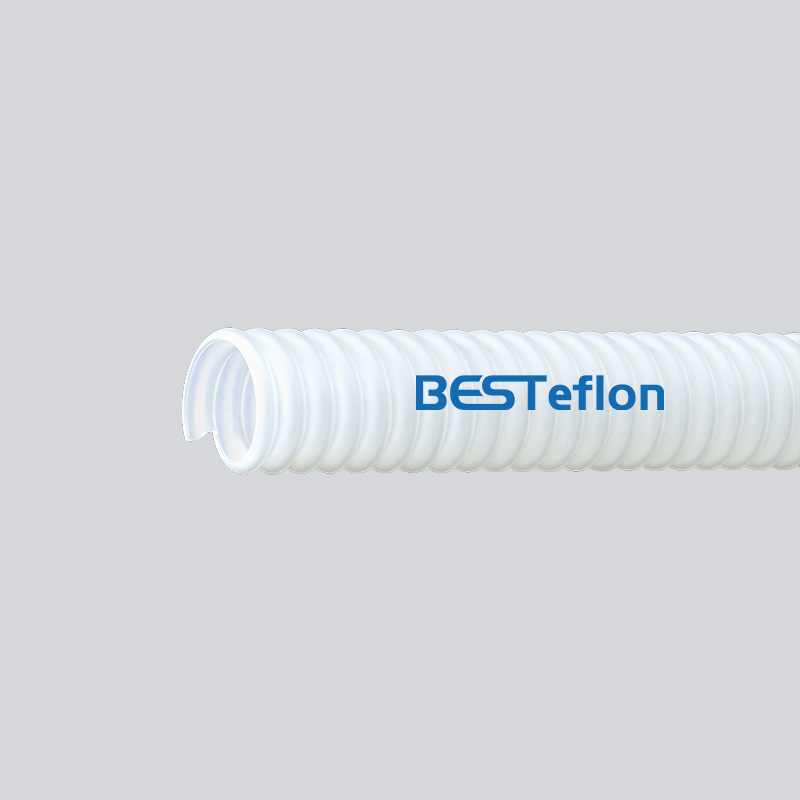
Buying the right PTFE Tube is not only about choosing different specifications for different applications. More to choose a reliable manufacturer. Besteflon Fluorine plastic Industry Co., Ltd. specializes in the production of high-quality PTFE hoses and tubes for 20 years. If any questions and needs, please feel free to consult us for more professional advice.
Post time: Jul-14-2026