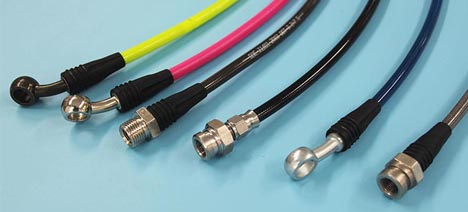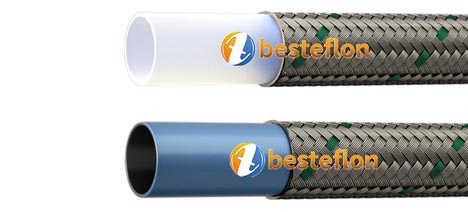
PTFE(Teflon)Tube for Chemical Processing from a Trusted China Manufacturer(Besteflon)
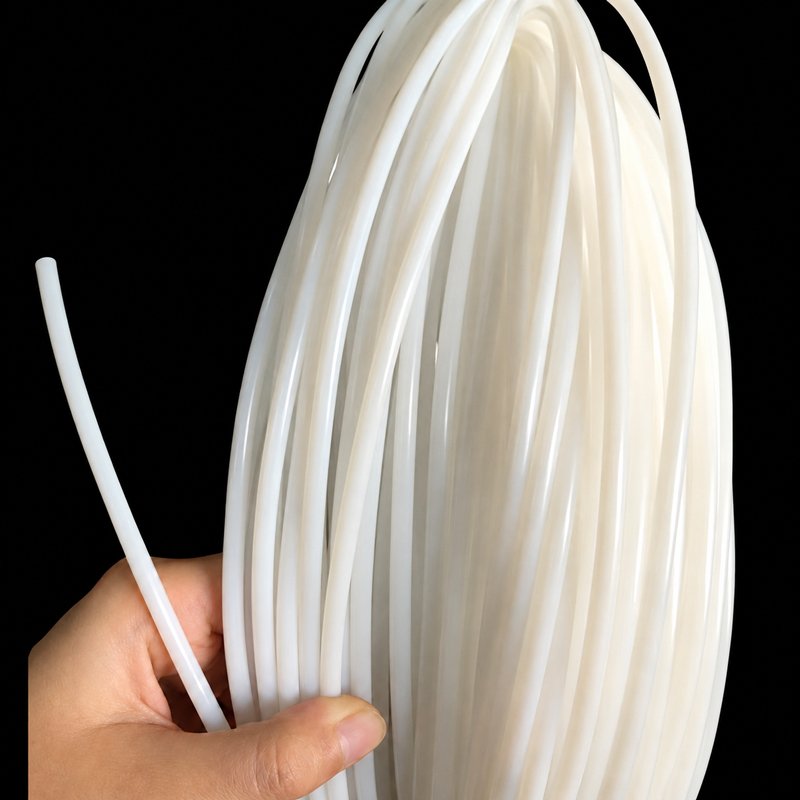
Chemical-Grade PTFE Tubing Factory
The chemical industry has a core requirement for pipeline materials: corrosion resistance. As a professional PTFE Tube for Chemical Processing manufacturer, Besteflon has provided chemical enterprises with PTFE hoses solutions resistant to strong acids, strong alkalis, organic solvents, and strong oxidizing agents for many years. Our chemical-grade PTFE tubes are manufactured from 100% virgin PTFE resin without any recycled material additives, ensuring chemical compatibility at the raw material level. Our product range spans from laboratory-grade capillaries to industrial-grade pipes, with specifications customizable according to specific application conditions. Procurement managers and process engineers at chemical plants can directly consult our technical team for selection recommendations and quotations.
PTFE Tube Specifications for Chemical Processing
The selection of chemical piping systems requires a comprehensive consideration of the medium type, concentration, temperature, pressure, and piping layout. The following specification ranges represent common options for PTFE tubes used in the chemical industry; when selecting a specific configuration, it is recommended to consult with Besteflon engineers based on the actual operating conditions.
| Parameter | Scope |
| Inner Diameter (ID) | 2 mm – 50 mm |
| Outer Diameter (OD) | 4 mm – 54 mm |
| Wall Thickness | 0.75 mm – 2 mm |
| Working Pressure | 2.5bar-15bar |
| Working Temperature | -65°C to +260°C |
| Chemical Compatibility | Resistant to almost all acids, alkalis, organic solvents, and strong oxidizing agents |
| Coefficient of Friction | 0.1 |
| Standard Length | 50–150 meters per roll (customizable to specific requirements) |
| Color | Natural color (milky white), translucent, black (conductive grade), custom colors available |
| Standard Certification | ISO9001;IATF16949;FDA;Rohs;SGS |
Custom Specifications
Chemical processing units often require non-standard dimensions—such as special pipe diameters to accommodate existing equipment interfaces, unconventional wall thicknesses for high-pressure or vacuum operating conditions, or specific lengths to reduce on-site joints. Besteflon supports full-dimensional customization.
Any combination of inner diameter and outer diameter; corresponding molds can be customized.
maximum wall thickness of 2 mm; suitable for high-pressure chemical piping or vacuum applications.
wall thickness as low as 0.7 mm, used for low-pressure sampling or analytical pipelines.
precision cutting according to installation requirements; tolerances can be negotiated.
Incorporates carbon black filler to achieve a surface resistance of 10⁶–10⁹ Ω, suitable for conveying flammable or explosive media.
Why PTFE Tube Is the Best Choice for Chemical Processing
The root cause of pipeline failures in chemical plants is almost invariably corrosion of the materials by the process media. Rubber pipes may expand and crack; stainless steel can suffer from chloride-induced pitting corrosion; while PP and PVDF prove ineffective when exposed to strong oxidizing agents. The reason PTFE has become the "ultimate pipeline material" in the chemical industry is that it outperforms all other options across the following key dimensions.
1. Chemical Resistance
The bond energy of the carbon–fluorine bond in PTFE reaches as high as 485 kJ/mol, making it one of the strongest single bonds in organic chemistry. This dense layer of fluorine atoms acts like a "armor," almost completely preventing any chemical reagents from penetrating, thereby endowing PTFE with near-perfect inertness in chemical processing environments.
• Concentrated sulfuric acid (98%): Fully compatible; non-corrosive and non-swelling.
• Concentrated hydrochloric acid (37%): Fully compatible
• King water (HCl + HNO₃): Compatible (long-term immersion under certain extreme conditions requires evaluation)
• Hydrofluoric acid (HF): PTFE is one of the few materials that can withstand HF.
• Sodium hydroxide (50%): Fully compatible
• Organic solvents (acetone, ethanol, THF, dichloromethane, etc.): Fully compatible
• Organic solvents (acetone, ethanol, THF, dichloromethane, etc.): Fully compatible
• Halogens (chlorine gas, bromine water): Compatible at room temperature
2. Temperature Performance
Chemical reactions often occur at extreme temperatures. PTFE tubes are suitable for operating temperatures ranging from –65°C to +260°C, within which their mechanical properties, chemical resistance, and electrical properties remain stable:
• Low-temperature performance: At-65°C, the material does not crack or undergo shrinkage deformation; it is suitable for low-temperature sampling and condensate transportation.
• High-temperature rating: No degradation upon continuous use at 200 °C; can withstand short-term exposure to 260 °C.
• Thermal cycling resistance: repeated heating and cooling cycles will not cause cracking or delamination of the pipe wall.
• Comparison with other materials: PVC softens at temperatures above 60°C; silicone degrades at temperatures above 200°C; and PP fails at temperatures above 100°C.
3. Purity & Non-Contamination
In chemical production processes, impurities leached from piping materials may lead to batch rejection or non-compliant products; PTFE Tubes demonstrate exceptional performance in this regard.
• The metal ion leaching amount is low, meeting the transportation requirements for semiconductor and electronic-grade chemicals.
• Non-absorbent medium
• Does not precipitate organic compounds; suitable for high-purity water and high-purity reagent systems.
• Long-term use ensures no discoloration or yellowing, and does not compromise the quality of the medium.
4. Low Friction & Self-Cleaning
The PTFE coefficient of friction is only 0.1, one of the lowest among all solid materials. In chemical piping systems, this means:
• The medium exhibits low flow resistance, thereby reducing pumping energy consumption.
• High-viscosity fluids can also flow smoothly through the system, reducing the risk of pipe blockage.
• The inner wall exhibits non-stick properties, reducing the cleaning time by more than 50% during batch switching.
• Reduces scaling and residue buildup, thereby extending the pipeline maintenance cycle.
PTFE Tube Types for Chemical Applications
Chemical processing applications vary widely, and a single pipe type cannot meet all requirements. Besteflon offers six different structural configurations of PTFE tubes, each designed to address specific chemical piping needs.
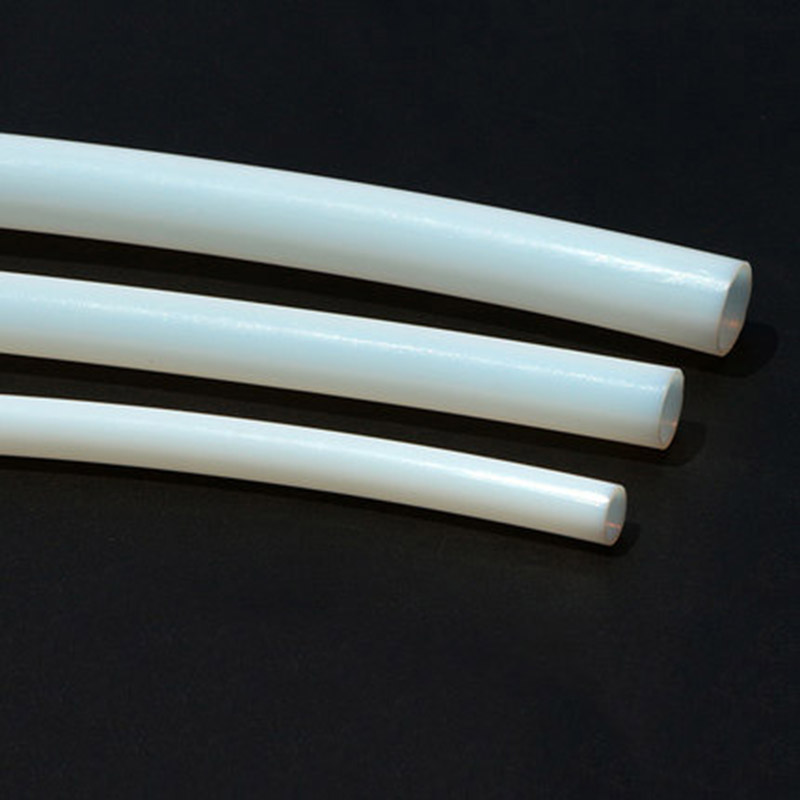
PTFE Smooth Bore Tube
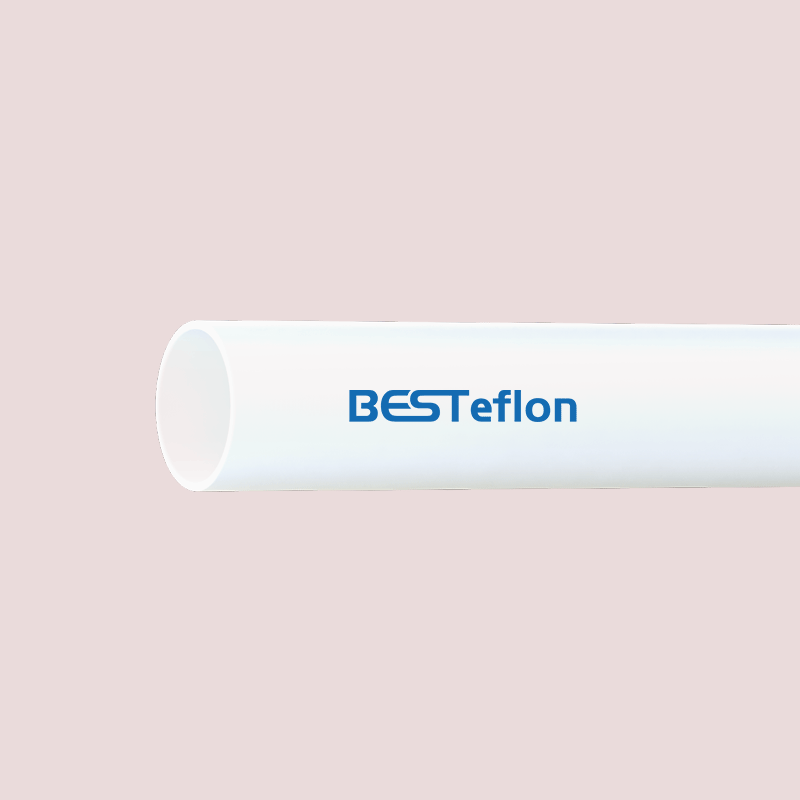
PTFE Smooth Bore Tube — The preferred choice for chemical process piping applications. Featuring a smooth inner wall and low fluid resistance, these tubes are suitable for the vast majority of chemical processes, including acid and alkali transportation, solvent transfer, and reagent filling. For more details, please refer to the PTFE Smooth Bore Tube product page
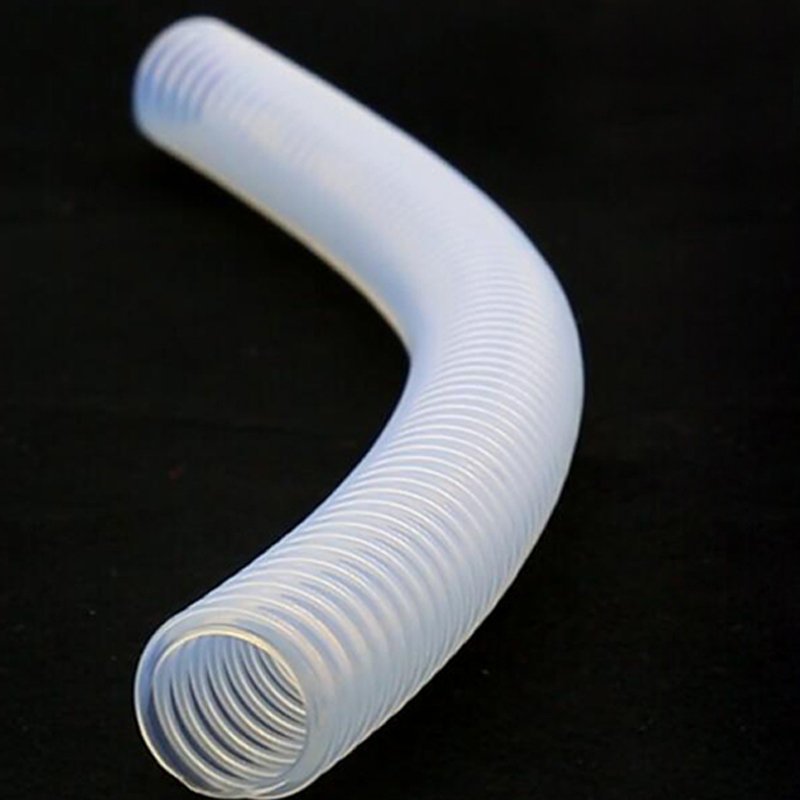
PTFE Convoluted Tube
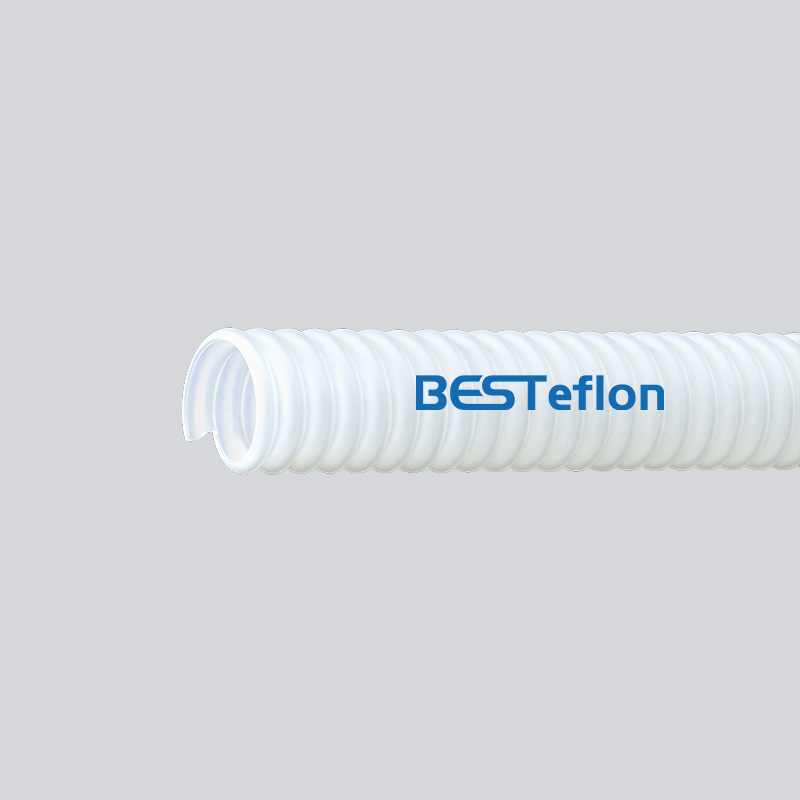
Ideal for chemical piping applications requiring flexible compensation, thermal expansion absorption, or curved pipe routing. These PTFE convoluted tubes can replace metal convoluted tubes, offering reduced weight and enhanced corrosion resistance. For more details, please refer to the PTFE Convoluted Tube product page
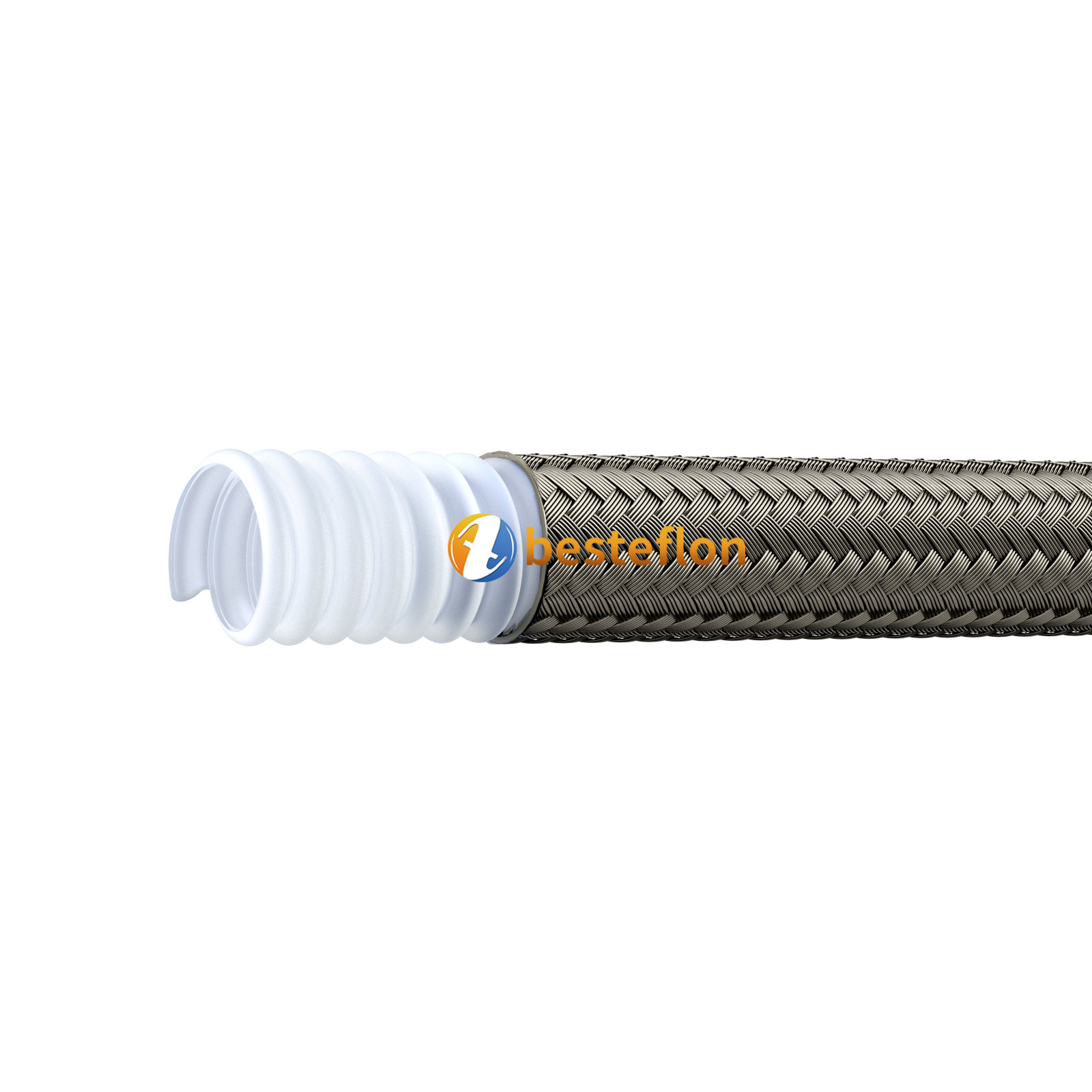
PTFE Convoluted Hose
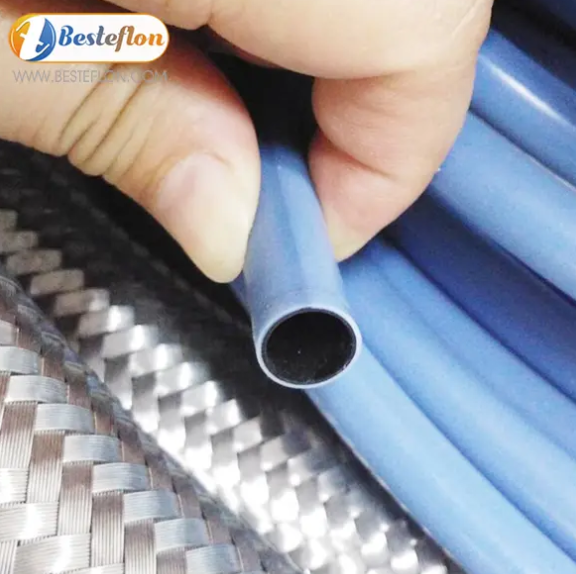
Stainless steel braided reinforcement supports high-pressure delivery of acids, alkalis, organic solvents and E85 fuels for pipeline displacement, vibration absorption and frequent bending.
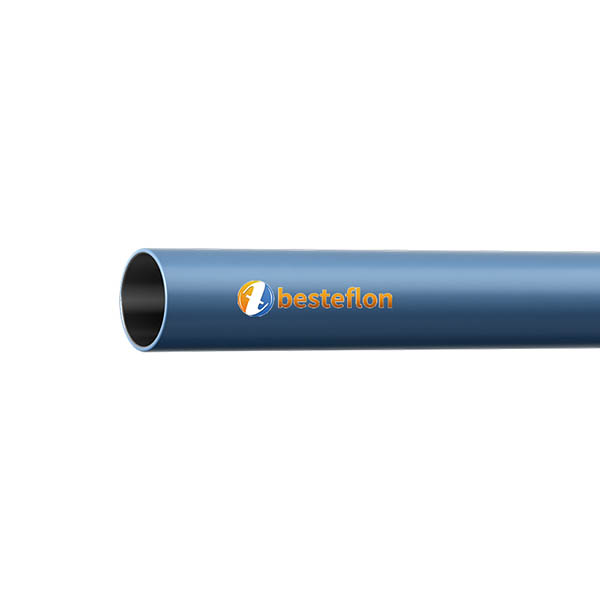
PTFE Conductive Tube
When transporting flammable and explosive solvents (e.g., acetone, ethanol, toluene, etc.), this tube prevents static electricity accumulation that could trigger a fire. Surface resistance:10⁶–10⁹Ω
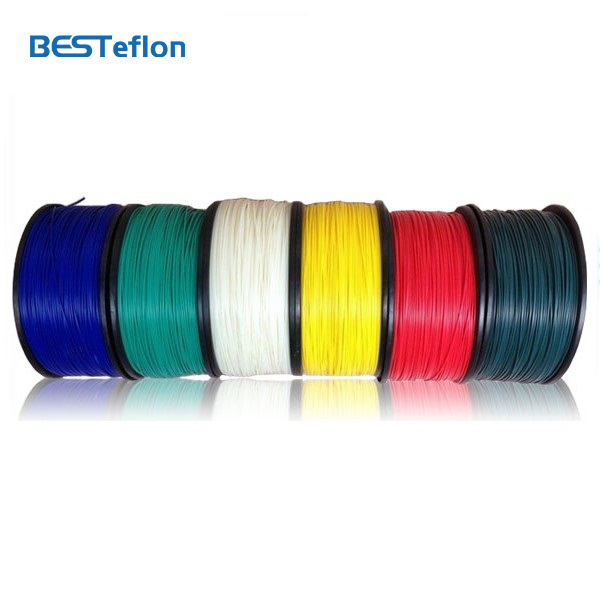
PTFE Capillary Tube
Used for injection lines in analytical instruments, connection lines for chromatographic systems, and delivery of micro-volume reagents; inner diameter starts from 0.3 mm. For detailed specifications, please refer to the PTFE Capillary Tube product page
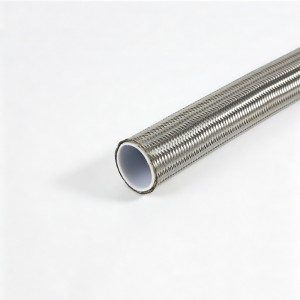
PTFE Braided Hose
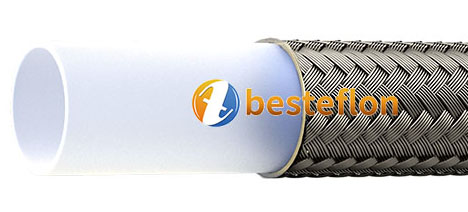
Designed for chemical piping applications requiring higher pressure ratings (up to 275 bar), featuring an inner PTFE core and an outer layer of stainless steel braiding
Key Performance Parameters
| No. | Specification | Outer Diameter | Inner Diameter | Tube Wall Thickness | Working Pressure | Burst Pressure | |||||
|---|---|---|---|---|---|---|---|---|---|---|---|
| mm | inch | mm | inch | mm | inch | psi | bar | psi | bar | ||
| 1 | 2 × 4 | 4 | 0.157 | 2 | 0.079 | 1 | 0.039 | 218 | 15.0 | 870 | 60 |
| 2 | 2.5 × 4 | 4 | 0.157 | 2.5 | 0.098 | 0.75 | 0.030 | 83 | 5.8 | 334 | 23 |
| 3 | 3 × 5 | 5 | 0.197 | 3 | 0.118 | 1 | 0.039 | 218 | 15.0 | 870 | 60 |
| 4 | 3.2 × 5.2 | 5.2 | 0.205 | 3.2 | 0.126 | 1 | 0.039 | 218 | 15.0 | 870 | 60 |
| 5 | 3.5 × 5.5 | 5.5 | 0.217 | 3.5 | 0.138 | 1 | 0.039 | 218 | 15.0 | 870 | 60 |
| 6 | 4 × 6 | 6 | 0.236 | 4 | 0.157 | 1 | 0.039 | 181 | 12.5 | 725 | 50 |
| 7 | 5 × 7 | 7 | 0.276 | 5 | 0.197 | 1 | 0.039 | 152 | 10.5 | 609 | 42 |
| 8 | 5 × 8 | 8 | 0.315 | 5 | 0.197 | 1.5 | 0.059 | 167 | 11.5 | 667 | 46 |
| 9 | 6 × 8 | 8 | 0.315 | 6 | 0.236 | 1 | 0.039 | 127 | 8.8 | 508 | 35 |
| 10 | 6.5 × 8.5 | 8.5 | 0.335 | 6.5 | 0.256 | 1 | 0.039 | 111 | 7.7 | 444 | 30.6 |
| 11 | 8 × 10 | 10 | 0.394 | 8 | 0.315 | 1 | 0.039 | 94 | 6.5 | 377 | 26 |
| 12 | 10 × 12 | 12 | 0.472 | 10 | 0.394 | 1 | 0.039 | 73 | 5.0 | 290 | 20 |
| 13 | 12 × 14 | 14 | 0.551 | 12 | 0.472 | 1 | 0.039 | 60 | 4.1 | 239 | 16.5 |
| 14 | 13 × 15 | 15 | 0.591 | 13 | 0.512 | 1 | 0.039 | 58 | 4.0 | 232 | 16 |
| 15 | 14 × 16 | 16 | 0.630 | 14 | 0.551 | 1 | 0.039 | 62 | 4.3 | 247 | 17 |
| 16 | 16 × 18 | 18 | 0.709 | 16 | 0.630 | 1 | 0.039 | 44 | 3.0 | 174 | 12 |
| 17 | 16 × 19 | 19 | 0.748 | 16 | 0.630 | 1.5 | 0.059 | 65 | 4.5 | 261 | 18 |
| 18 | 19 × 21 | 21 | 0.827 | 19 | 0.748 | 1 | 0.039 | 44 | 3.0 | 174 | 12 |
| 19 | 19 × 22 | 22 | 0.866 | 19 | 0.748 | 1.5 | 0.059 | 65 | 4.5 | 261 | 18 |
| 20 | 19 × 23 | 23 | 0.906 | 19 | 0.748 | 2 | 0.079 | 73 | 5.0 | 290 | 20 |
| 21 | 20 × 22 | 22 | 0.866 | 20 | 0.787 | 1 | 0.039 | 36 | 2.5 | 145 | 10 |
| 22 | 20 × 23 | 23 | 0.906 | 20 | 0.787 | 1.5 | 0.059 | 51 | 3.5 | 203 | 14 |
| 23 | 20 × 24 | 24 | 0.945 | 20 | 0.787 | 2 | 0.079 | 69 | 4.8 | 276 | 19 |
| 24 | 25 × 28 | 28 | 1.102 | 25 | 0.984 | 1.5 | 0.059 | 36 | 2.5 | 145 | 10 |
| 25 | 25 × 29 | 29 | 1.142 | 25 | 0.984 | 2 | 0.079 | 51 | 3.5 | 203 | 14 |
| 26 | 32 × 36 | 36 | 1.417 | 32 | 1.260 | 2 | 0.079 | 36 | 2.5 | 145 | 10 |
| 27 | 38 × 42 | 42 | 1.654 | 38 | 1.496 | 2 | 0.079 | 36 | 2.5 | 145 | 10 |
| 28 | 50 × 54 | 54 | 2.126 | 50 | 1.969 | 2 | 0.079 | 36 | 2.5 | 145 | 10 |
• Complies with SAE 100R14 standard.
• Custom sizes and specifications are available. Please contact us to discuss your specific requirements.
Work Directly with Manufactuer Boost Your Profits and Efficiency
As a leading manufacturer of ptfe hose products, our factory’s core team has over 20 years of R&D and production experience in the teflon tube industry. Our business spans more than 50 countries, providing efficient export services to our customers.
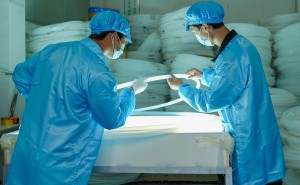
Quality Control & Manufacturing
Chemical piping systems have extremely stringent requirements for quality consistency—a single defect in a pipe can lead to a complete shutdown of the entire production line or even result in a safety incident. Besteflon's comprehensive quality control system, spanning from raw materials to finished products, ensures that every meter of piping can withstand the challenges posed by chemical environments.
manufacturing process
Paste Extrusion:PTFE resin is mixed with extrusion additives and then extruded through a die
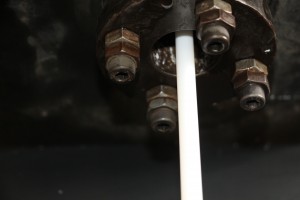
Sintering process: Ensures complete melting of the resin and thorough entanglement of its molecular chains, thereby achieving optimal mechanical properties and chemical stability
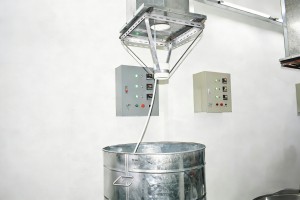
Braiding Process: Our company employs a combination of vertical and horizontal braiding machines, allowing us to adjust the braiding density and stainless steel wire specifications according to the pipe specifications and applicable application scenarios

Each batch shall undergo the following tests prior to leaving the factory:
Visual inspection requirements for the exterior: the tubes shall be free of bubbles, cracks, impurities, or color variations; full-size inspection of finished products shall include ID, OD, wall thickness, and length; pressure resistance testing shall be conducted in accordance with customer specifications or industry standards; additional rigorous tests shall also be performed, including air tightness testing, hydrostatic pressure holding test, various verification tests (such as high-pressure testing and hydrostatic burst testing), as well as bending fatigue testing, all aimed at ensuring compliance with the product standards of the fluoropolymer industry.
Chemical Processing Applications
PTFE Tube vs Other Materials for Chemical Service
PTFE tubes are widely used across the entire value chain of the chemical industry, spanning from laboratory settings to industrial-scale production. The following outlines six core application scenarios:
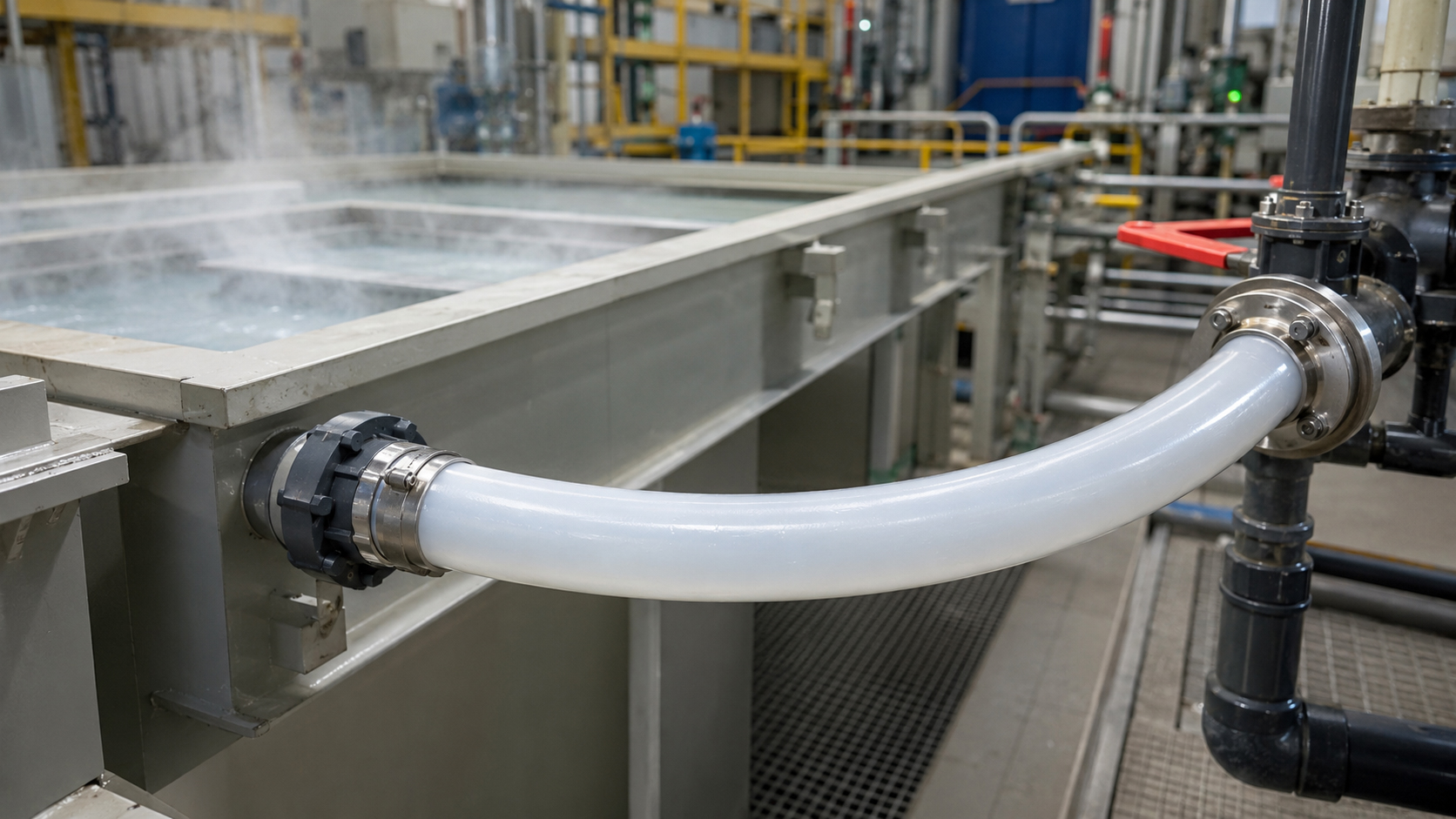
In all these industries, the high-temperature resistance of PTFE hoses is a critical factor that ensures their reliability, durability, and safety in demanding applications.
Acid and Alkali Transportation
PTFE tubes represent the most fundamental solution for pipeline requirements in chemical plants. For the long-distance transportation and precise metering of highly corrosive media such as concentrated sulfuric acid, hydrochloric acid, nitric acid, phosphoric acid, and sodium hydroxide solutions, PTFE tubes are the optimal alternative to stainless steel pipes and plastic-lined pipes.。
• Advantages: Corrosion-resistant, with a service life 5–10 times longer than that of stainless steel, and no need for periodic replacement.
• Typical operating conditions: sulfuric acid transportation pipelines, connections between acid pickling tanks, and chemical dosing pipes for neutralization reactions
Organic Solvent System
Organic solvents are extensively used in chemical synthesis and purification processes. PTFE tubes exhibit inertness toward all common organic solvents and will not cause pipeline failure due to swelling or dissolution.
• Advantages: No swelling, no precipitation, and no contamination of product purity.
• Typical operating conditions: reactor solvent feed line, distillation column connecting pipe, solvent recovery pipeline
Corrosive Gas Treatment
For the pipeline transportation and sampling analysis of corrosive gases such as chlorine, hydrogen chloride, ammonia, and hydrogen sulfide; the gas-tightness and corrosion resistance of PTFE tubes make them an ideal choice for gas pipelines.
• Advantages: Gas impermeability (thick-walled pipe); the pipe wall is not corroded by gases.
• Typical operating conditions: chlorine gas transmission pipelines, exhaust gas treatment pipelines, and gas sampling pipelines
Pharmaceuticals and Biochemical Engineering
Fluid handling applications in active pharmaceutical ingredient (API) synthesis, pharmaceutical formulation production, and biopharmaceutical fermentation processes. PTFE tubes meet the stringent requirements of the pharmaceutical industry regarding purity, cleanliness, and compliance.
• Advantages: Low precipitation, non-adhesive, easy to clean and sterilize, and compliant with FDA/USP standards.
• Typical operating conditions: API transfer piping, CIP cleaning piping, bioreactor connection piping, filtration system.
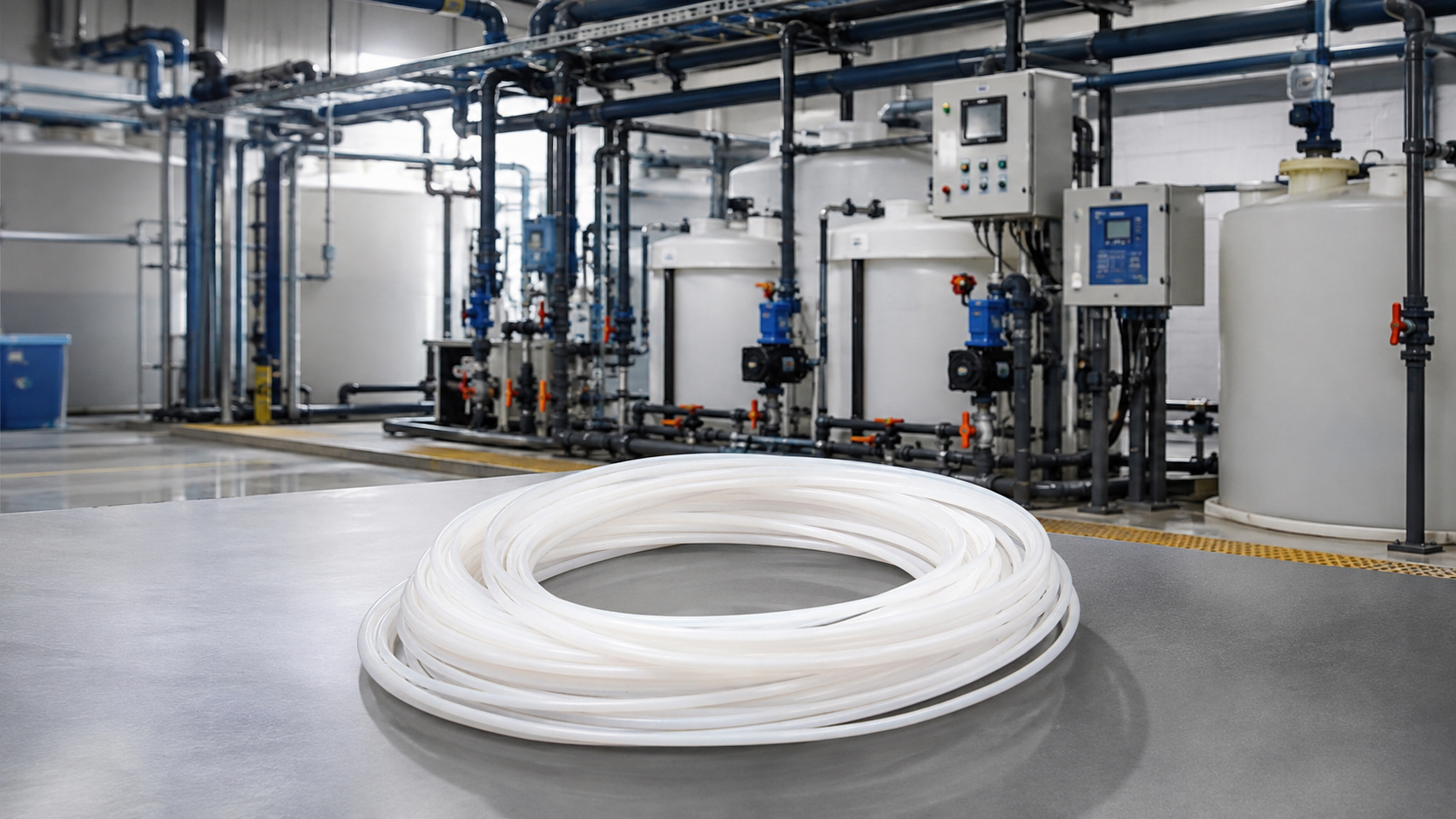
Water Treatment and Environmental Protection
Chemical dosing piping systems for industrial wastewater treatment and pure water preparation processes. Chemicals such as PAC (Polyaluminum Chloride), PAM (Polyacrylamide), and acid-base regulators—these chemicals are highly corrosive to conventional piping materials—yet PTFE hoses remain completely unaffected by them.
• Advantages: Resistant to corrosive agents, long service life, and maintenance-free
• Typical operating conditions: dosing pipe, RO system connection pipe, wastewater neutralization pipeline
Laboratories and Analytical Instruments
For sample introduction lines and waste liquid lines of analytical instruments such as HPLC (High Performance Liquid Chromatography), ICP (Inductively Coupled Plasma) spectrometers, and ion chromatographs; the high purity and low adsorption properties of PTFE tubes ensure that analytical results are not affected by pipeline interference.
• Advantages: The precipitation of metal ions is extremely low, ensuring no interference with trace analysis.
• Typical operating conditions: HPLC injection line, ICP nebulizer injection line, GC carrier gas line, waste liquid discharge line
When selecting materials for chemical piping systems, PTFE is not the only option available. Each material has its specific application scenarios; the choice depends on a comprehensive trade-off between the type of medium, temperature, pressure, and cost.
| Characteristic | PTFE | FEP | PFA | PP | PVDF | 316L Stainless Steel | Glass |
|---|---|---|---|---|---|---|---|
| Maximum Operation Temperature | 260°C | 200°C | 260°C | 100°C | 150°C | 800°C | 500°C |
| Resistance to Strong Acids | Excellent | Very Good | Excellent | Acceptable | Very Good | Unacceptable (Sensitive to Cl⁻) |
Very Good |
| Resistance to Strong Alkalis | Excellent | Very Good | Excellent | Acceptable | Very Good | Unacceptable | Unacceptable |
| Resistance to Organic Solvents | Excellent | Very Good | Excellent | Unacceptable | Very Good | Very Good | Very Good |
| Resistance to Strong Oxidizing Agents | Very Good | Acceptable | Very Good | Unacceptable | Good | Unacceptable | Unacceptable |
| Purity | Very High | High | Very High | Acceptable | High | Medium (Metal Precipitation) |
High |
| Transparency | Not Transparent | Transparent | Semitransparent | Semitransparent | Semitransparent | Not Transparent | Transparent |
| Flexibility | Acceptable | Good | Good | Acceptable | Acceptable | Rigid | Rigid |
| Hot-melt Connection | No | Yes | Yes | Yes | Yes | Welding | No |
| Unit Price (Relative) | Medium | High | Very High | Low | High | Medium | High |
Selection Recommendations
• Comprehensive coverage of strong acids, strong bases, and solvents → PTFE(The broadest spectrum of chemical tolerance)
• Requires transparent observation of internal fluids → FEP or PFA
• Hot-melt welding is required to reduce joint leakage. → PFA or FEP(PTFEcannot be thermally fused.)
• Budget constraints; mild conditions. → PP
• High purity + high-temperature resistant + heat-meltable → PFA(But it has the highest price.)
• High-temperature resistant and corrosion-resistant, with high pressure-bearing capacity → 316L Stainless Steel(but is vulnerable to chloride ions)
• The reaction process needs to be monitored. → Glass (but brittle and not pressure-resistant)
Best PTFE Tube Manufacturer & Factory
We have been specialized in PTFE smooth bore tube,conductive ptfe hose,ptfe braided hose, ptfe brake hose and ptfe hose assembly for 20 years. We have sets of production equipment and testing system. Our products with good performance and competitive price are selling at home and abroad.
In addition, all of our raw materials are selected from the qualified brands, such as Chemours (formerly DuPont), DAIKIN, domestic top level brand.
Here are some reasons why customers should choose our Besteflon company for High-temperature Teflon hose:
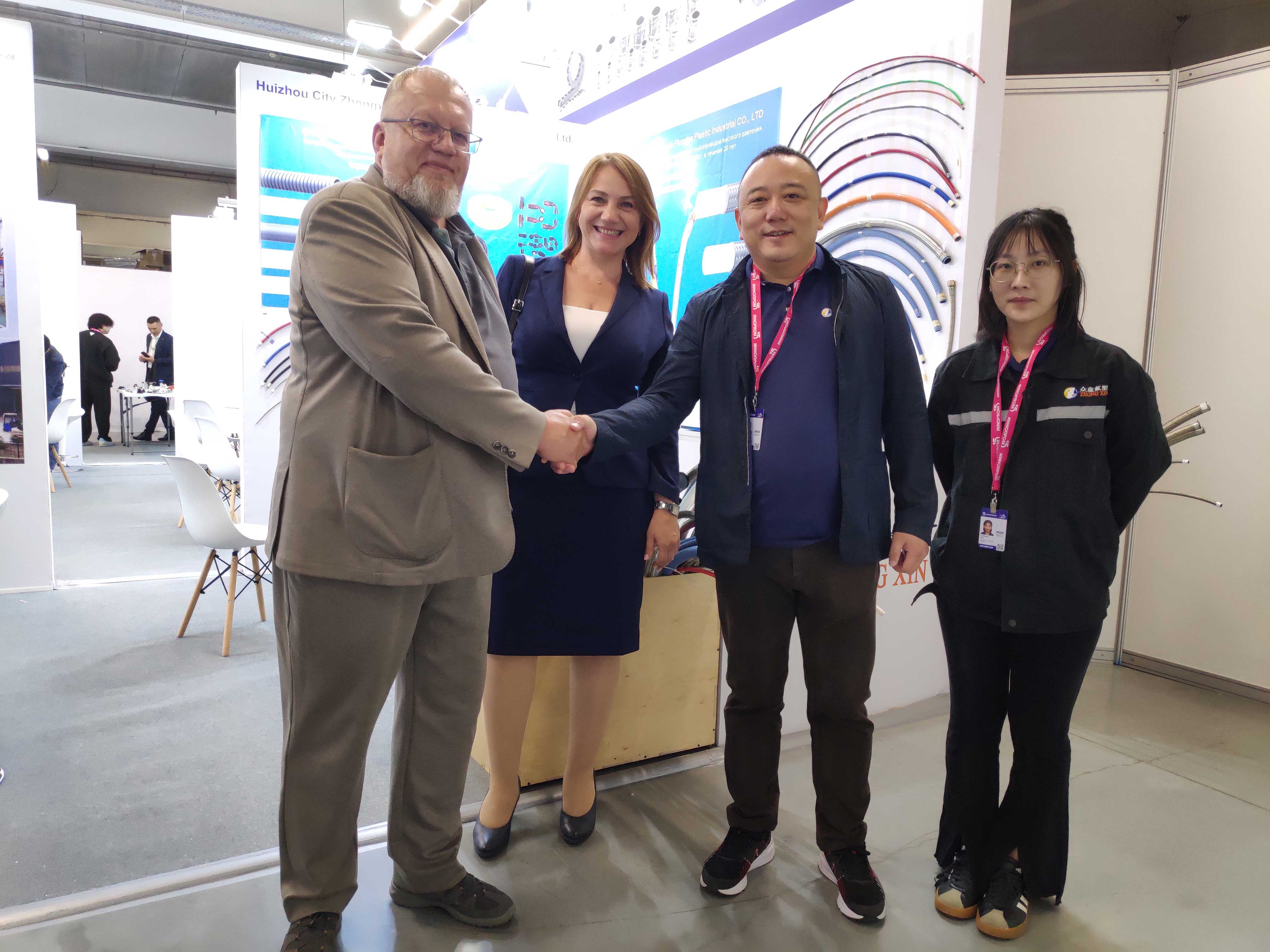
1. Direct Manufacturer with 20 Years of Experience
- We are a direct manufacturer specializing in PTFE hoses. With over 20 years of experience in the industry, we have refined our production processes to ensure the highest quality and reliability.
- Our extensive experience means we can handle a wide range of applications and provide expert advice.
2. 100% Pure PTFE Material
- Our PTFE hoses are made from 100% pure PTFE, ensuring excellent chemical resistance, low friction, and high durability.
- This high-quality material guarantees long-lasting performance and reliability in various industrial applications.
3. Stringent Quality Control
- We maintain strict quality control throughout the production process, from material selection to final inspection.
- Every hose is thoroughly tested to meet industry standards and customer requirements, ensuring consistent quality.
4. OEM Customization
- We offer comprehensive OEM customization services to meet your specific needs.
- Whether you need custom lengths or fittings, we can tailor our products to fit your application perfectly.
5. Global Sales Network
- Our products are sold both domestically and internationally, with a strong presence in major overseas markets, especially Europe and the United States.
- We have a wide customer base and a proven track record in the global market.
6. Professional English Communication Team
- Our dedicated team of professionals is fluent in English, ensuring seamless communication and support.
- We can provide technical advice, quotations, and after-sales service in English, making it easy for international customers to work with us.
7. Wide Range of Applications
- Our PTFE hoses are suitable for a variety of industries, including chemical processing, pharmaceuticals, automotive, aerospace, and more.
- They are ideal for applications requiring high flexibility, chemical resistance, and temperature resistance.
Choose us for your PTFE hose needs and benefit from our expertise, quality, and global reach. We are committed to providing you with the best products and services to meet your requirements.
Certificate
IS09001:2015 | RoHS Direcive (EU)2015/863 | USFDA21 CFR 177.1550 | EU GHS SDS | ISO/TS 16949
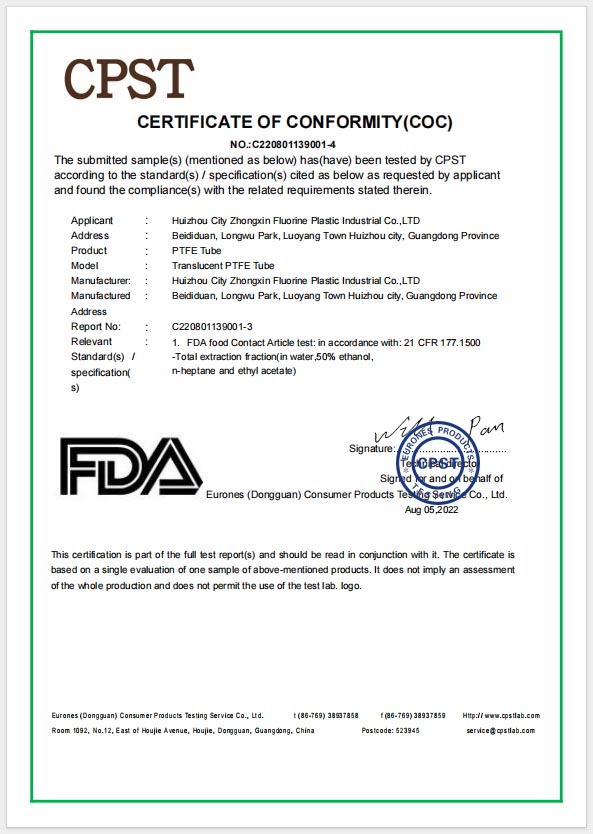
FDA
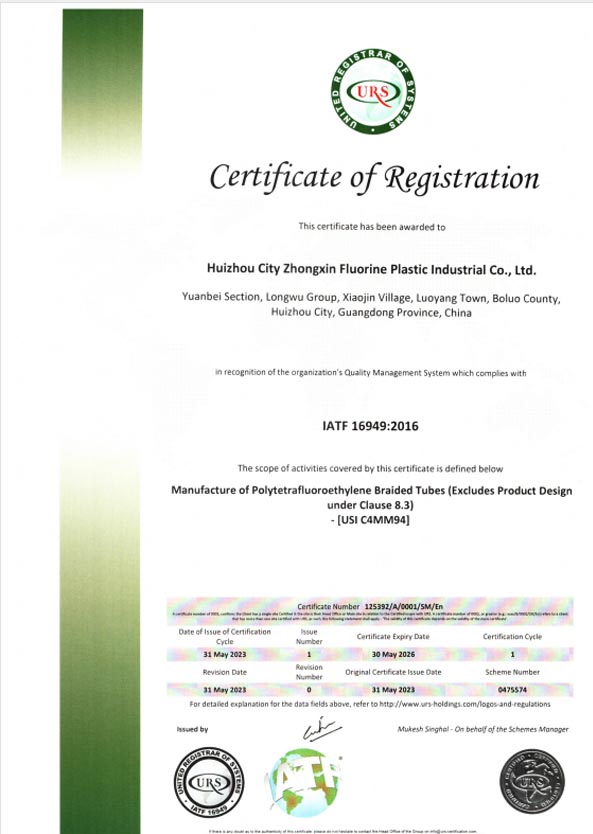
IATF16949
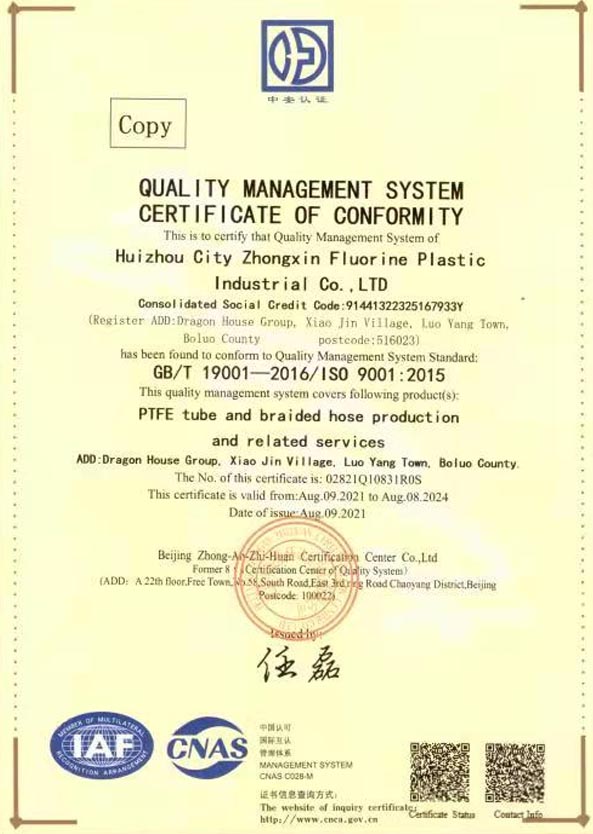
ISO
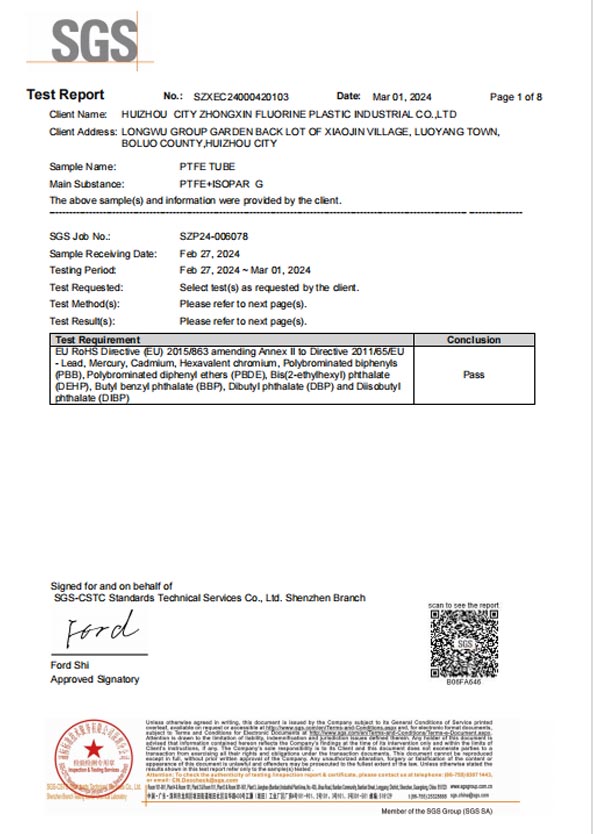
SGS
Get Wholesale Prices & Custom Requests
FAQ About PTFE Tube for Chemical Processing
Q1: Can PTFE tubes handle hydrofluoric acid (HF)?
A: Yes. PTFE is one of the very few materials that can safely handle hydrofluoric acid at concentrations up to 49% and temperatures up to 260°C. Unlike stainless steel, glass, and most plastics, PTFE shows no measurable degradation when exposed to HF. Our chemical-grade PTFE tubes are widely used in semiconductor etching and acid digestion applications where HF is a primary reagent.
Q2: What is the maximum working temperature for PTFE tubes in chemical service?
A: PTFE tubes can operate continuously at 200°C without loss of mechanical properties or chemical resistance. Short-term exposure up to 260°C is acceptable. Unlike rubber or silicone tubing that degrades at high temperatures, PTFE maintains its integrity throughout its full temperature range. For chemical processes operating above 200°C, PTFE is often the only polymer tubing option available.
Q3: How long do PTFE tubes last in chemical processing environments?
A: Under normal operating conditions (within rated temperature, pressure, and chemical compatibility), PTFE tubes typically last 5-10 years or more. PTFE does not age, degrade, or become brittle over time like rubber or plastic alternatives. The primary failure modes are mechanical damage (crushing, excessive bending) or operation outside rated parameters. In many chemical plants, PTFE tubes outlast the equipment they serve.
Q4: Can PTFE tubes be used for ultra-pure chemical applications?
A: Yes. Our high-purity PTFE tubes exhibit low metal ion leaching levels and extremely low total organic carbon (TOC) extraction values. They are suitable for semiconductor-grade chemical delivery, electronic-grade reagent transfer, and analytical instrument fluid paths. For the most demanding applications, we offer special cleaned and packaged grades.
Q5: Do you offer antistatic PTFE tubes for flammable solvent service?
A: Yes. When transferring flammable solvents such as acetone, ethanol, or toluene, static charge buildup can create ignition hazards. Our conductive PTFE tubes have a surface resistance of 10⁶–10⁹ ohms, which safely dissipates static electricity. These tubes are widely used in solvent transfer systems, paint lines, and chemical drum filling operations.
Q6: How do I connect PTFE tubes in a chemical piping system?
A: Common connection methods include: (1) Compression fittings — most popular for small to medium diameter tubes; (2) Flare fittings — for higher pressure applications; (3) Flange connections — for large diameter pipes; (4) Push-in barb fittings — for low pressure hoses. We also supply pre-assembled tube fittings and hose assemblies. The choice depends on pressure, tube diameter, and frequency of disconnection.
Q7: Does chemical permeation occur through PTFE tube walls?
A: At normal temperatures and pressures, PTFE has excellent resistance to chemical permeation. However, at elevated temperatures (above 200°C) with certain small-molecule solvents, some permeation may occur over extended periods. For critical applications involving high-temperature solvents or highly toxic chemicals, we recommend thicker wall tubing to minimize permeation risk.
Q8: Can PTFE tubes handle both vacuum and pressure in chemical service?
A: Yes. PTFE tubes can handle full vacuum service and positive pressure up to the rated working pressure for each size. For vacuum service, thicker wall tubes are recommended to prevent collapse. Our heavy-wall PTFE tubes (3mm+ wall thickness) are specifically designed for demanding pressure/vacuum cycling in chemical reactors and distillation systems.
Q9: What certifications and documents can you provide?
A: We provide ISO 9001:2015 quality management certification, FDA compliance for food/pharmaceutical contact, RoHS compliance for European markets, and third-party testing reports (SGS) upon request. Chemical compatibility evaluation reports are available for specific media upon request.
Q10: What is the minimum order quantity for chemical-grade PTFE tubes?
A: For standard sizes, there is no minimum order. For custom specifications, MOQ depends on complexity, typically starting from dozens of meters. We actively support small-batch trial orders so you can validate the product in your actual chemical service before committing to volume purchases.